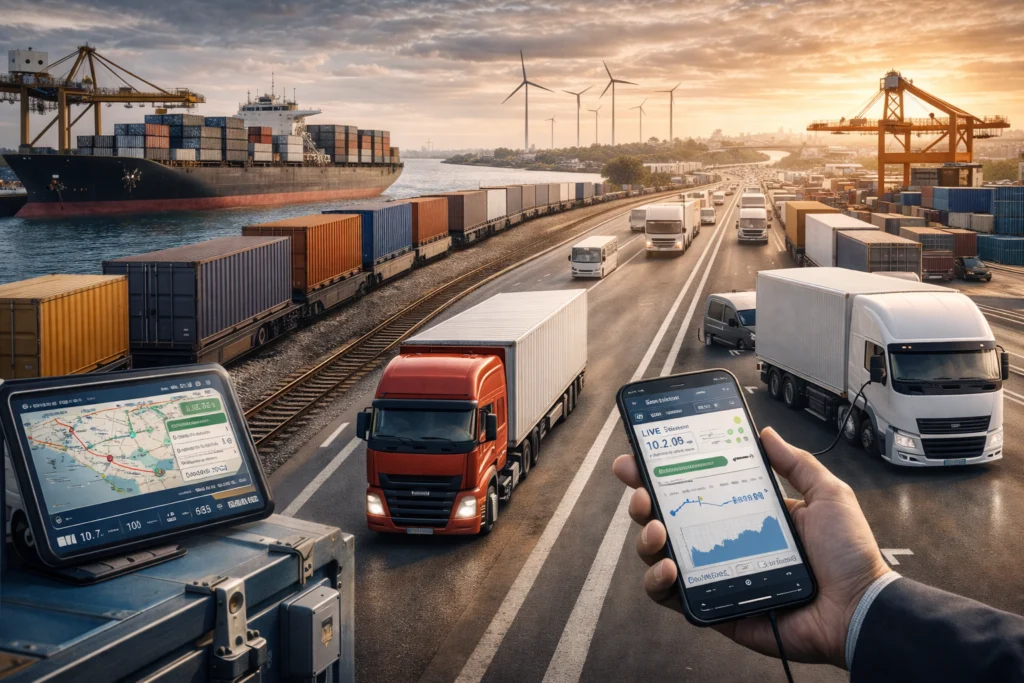
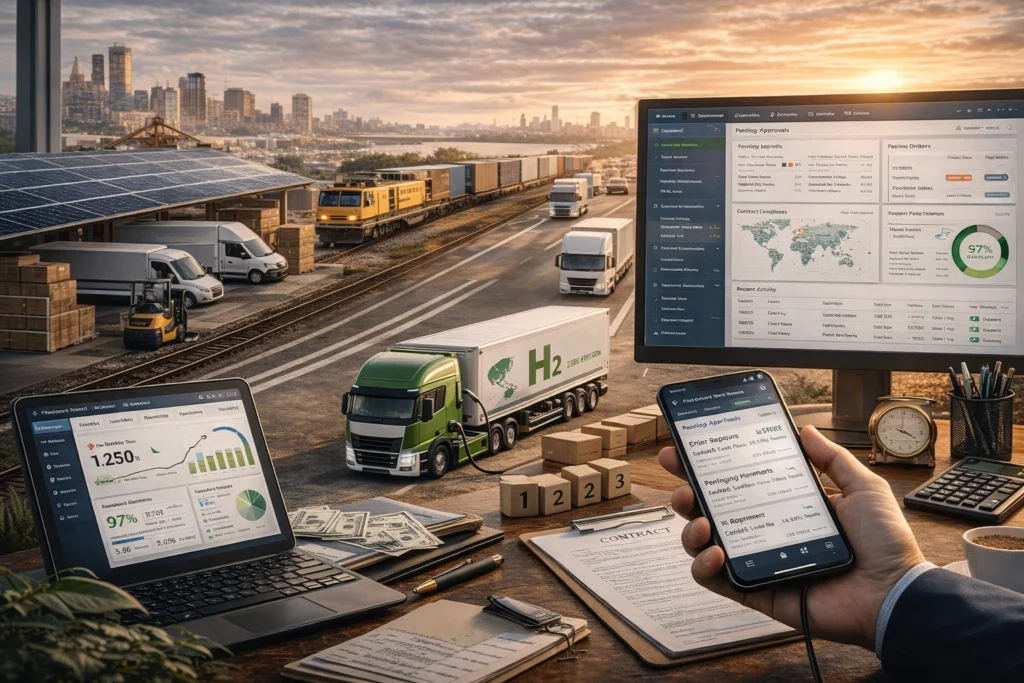
The business-to-business last-mile delivery landscape stands on the precipice of fundamental transformation as technological innovation, sustainability imperatives, and evolving customer expectations converge to reshape how commercial cargo reaches final destinations. Unlike consumer-focused B2C delivery that dominates public attention and media coverage, B2B last-mile logistics encompasses substantially different challenges including larger shipment volumes, specialized handling requirements, delivery time window coordination, and complex receiving processes at commercial facilities that demand entirely distinct operational approaches. The final delivery stage represents the single most expensive component of B2B supply chains, accounting for 40% to 53% of total logistics costs according to industry research, creating powerful economic incentives for businesses to optimize these operations through emerging technologies, strategic partnerships, and innovative service models. As automation capabilities mature, electric vehicle adoption accelerates, and micro-fulfillment infrastructure expands into urban commercial districts, B2B last-mile delivery approaches an inflection point where established practices give way to radically different operating models delivering superior cost efficiency, service reliability, and environmental performance.
Automation Technologies Transforming B2B Deliveries
Artificial intelligence and automation technologies increasingly penetrate every dimension of B2B last-mile operations, from initial order processing through final proof of delivery, fundamentally altering how businesses manage commercial cargo delivery at scale. Advanced route optimization algorithms leveraging machine learning capabilities analyze historical delivery patterns, real-time traffic conditions, customer availability constraints, and vehicle capacity limitations to generate dynamically optimized routing plans that minimize travel distances, reduce fuel consumption, and maximize the number of successful deliveries each vehicle completes during operating shifts. These intelligent systems continuously recalculate optimal routes throughout delivery days, automatically adjusting sequences when unexpected events such as traffic accidents, customer rescheduling requests, or vehicle breakdowns require real-time adaptation preventing service failures that manual planning approaches struggle to accommodate effectively.
The sophistication of modern last-mile automation extends to automated dispatch systems employing decision intelligence engines that match specific delivery requirements with ideal drivers or third-party logistics partners based on proximity, historical performance metrics, specialized certifications, and current workload balancing. Load-leveling algorithms distribute deliveries evenly across available fleet resources preventing driver fatigue, unnecessary overtime expenses, and the service degradation that occurs when some vehicles carry excessive loads while others operate below optimal capacity utilization. Real-time reassignment capabilities automatically reallocate delivery tasks when cancellations occur or delays threaten scheduled delivery windows, preserving service commitments without requiring constant manual intervention from dispatchers monitoring dozens or hundreds of simultaneous delivery operations across expansive service territories.
Paperless proof of delivery systems utilizing mobile applications equipped with electronic signature capture, photographic documentation, and GPS timestamp verification eliminate the administrative burdens historically associated with managing paper delivery receipts while providing comprehensive digital audit trails supporting billing accuracy and dispute resolution. These automated documentation systems integrate seamlessly with customer enterprise resource planning platforms and warehouse management systems through application programming interfaces, instantly transmitting delivery confirmations that trigger subsequent supply chain processes including inventory updates, invoice generation, and reorder point calculations without manual data entry creating delays and introducing transcription errors. The cumulative impact of last-mile automation typically generates operational cost reductions approaching 40% in planning activities while simultaneously improving confirmation rates by 40% and decreasing failed delivery incidents by 5% according to specialized solution providers serving the commercial delivery market.
Micro-Fulfillment Centers and Urban Distribution Networks
The proliferation of micro-fulfillment centers strategically positioned within high-density urban commercial districts represents one of the most significant structural transformations reshaping B2B last-mile delivery economics and service capabilities. These compact warehouses ranging from 10,000 to 50,000 square feet contrast sharply with traditional regional distribution centers occupying hundreds of thousands of square feet in peripheral locations selected primarily for land costs and highway access rather than proximity to customer concentrations. The strategic positioning of micro-fulfillment infrastructure near commercial customers dramatically reduces final delivery distances, cutting fuel expenses and enabling substantially faster delivery timeframes while simultaneously decreasing vehicle emissions through shorter transportation distances that align with corporate sustainability objectives and urban air quality regulations.
Micro-fulfillment centers leverage advanced automation technologies including robotic picking systems, automated storage and retrieval equipment, and intelligent warehouse management platforms that maximize storage density and operational throughput within constrained urban footprints where real estate costs demand exceptional space utilization efficiency. These highly automated facilities process orders with remarkable speed, enabling same-day and next-day delivery capabilities that traditional distribution networks cannot match economically when serving urban commercial customers requiring rapid replenishment of production supplies, retail inventory, or office consumables. The consolidation of outbound deliveries from micro-fulfillment locations allows carriers to optimize routing across multiple customers within compact geographic areas, achieving delivery densities that improve vehicle utilization while reducing the per-stop delivery costs that disproportionately impact profitability in sparse delivery networks where substantial distances separate sequential customer locations.
The flexibility advantages of micro-fulfillment networks prove particularly valuable for managing demand volatility and seasonal fluctuations that characterize many B2B supply chains. Rather than maintaining excess capacity at centralized facilities to accommodate peak requirements, businesses can activate or deactivate micro-fulfillment locations based on current demand patterns, paying only for the capacity actually required during specific periods instead of carrying fixed costs for infrastructure sized to handle maximum historical volumes. This flexible capacity model aligns operational expenses more closely with revenue generation while providing geographic coverage expansion opportunities that would be economically prohibitive using traditional regional distribution center approaches requiring massive capital investments before serving new markets. Leading logistics providers report that micro-fulfillment strategies enable delivery distance reductions exceeding 50%, translating directly into proportional fuel cost savings and transit time improvements that enhance service competitiveness.
Electric and Alternative Fuel Vehicle Adoption
The transformation of B2B last-mile delivery fleets toward electric vehicles and alternative fuel powertrains accelerates rapidly as regulatory pressures, sustainability commitments, and total cost of ownership analyses increasingly favor zero-emission and low-emission transportation options. Urban areas across Europe and North America implement progressive restrictions on diesel-powered commercial vehicles through low-emission zones, time-based access limitations, and outright prohibitions that effectively mandate electric vehicle adoption for businesses seeking unfettered access to city centers where commercial customer concentrations generate the highest delivery densities. These regulatory frameworks create both compliance imperatives and competitive advantages for early electric vehicle adopters who secure unrestricted operating privileges while competitors relying on conventional diesel fleets face escalating constraints limiting service capabilities and imposing operational inefficiencies.
Battery-electric delivery vehicles demonstrate compelling total cost of ownership advantages for urban last-mile operations characterized by predictable daily mileage, frequent stops enabling regenerative braking energy recovery, and overnight charging opportunities at centralized depots. While electric commercial vehicles command premium purchase prices compared to diesel equivalents, the dramatically lower fuel costs, substantially reduced maintenance requirements, and extended operational lifespans combine to generate lifecycle savings that increasingly outweigh higher initial capital outlays. Comprehensive analyses indicate that electric delivery trucks achieve fuel cost reductions approaching 60% to 70% compared to diesel vehicles when electricity pricing remains below national averages, while maintenance expenses decline by 40% to 50% through elimination of oil changes, reduced brake wear from regenerative systems, and simplified powertrains lacking the complexity of internal combustion engines requiring periodic component replacements.
The range limitations and payload capacity constraints that historically prevented widespread electric truck adoption continue diminishing as battery technology advances deliver improved energy density, faster charging capabilities, and decreased battery costs. Current generation electric delivery vehicles routinely achieve 200 to 300 miles of operating range sufficient for typical urban last-mile duty cycles that rarely exceed 150 miles daily, while emerging battery chemistries promise 400-mile capabilities enabling electric vehicles to serve substantially broader geographic territories. The development of charging infrastructure specifically designed for commercial fleet applications, including high-power depot charging systems and opportunistic en-route charging stations, addresses the range anxiety concerns that previously deterred fleet operators from electric vehicle commitments. Major logistics companies including DHL, FedEx, and UPS have announced ambitious electric vehicle deployment programs targeting tens of thousands of battery-electric delivery trucks entering service throughout the next decade, signaling industry consensus that electric propulsion represents the future of urban commercial delivery operations.
Emerging B2B Last-Mile Delivery Technologies
| Technology Category | Current Capabilities | Business Impact | Adoption Timeline |
|---|---|---|---|
| AI Route Optimization | Dynamic routing, real-time adjustments, load balancing, predictive analytics | 40% planning cost reduction, 5% fewer failed deliveries, 40% higher confirmation rates | Widely available today, rapid adoption across enterprise operations |
| Micro-Fulfillment Centers | Urban warehouses with automation, 10,000-50,000 sq ft footprint, same-day capability | 50%+ delivery distance reduction, lower fuel costs, faster service, improved sustainability | Expanding rapidly in major urban markets, becoming standard for high-volume operations |
| Electric Delivery Vehicles | 200-300 mile range, regenerative braking, depot charging, zero emissions | 60-70% fuel cost savings, 40-50% maintenance reduction, regulatory compliance | Accelerating deployment, projected majority of urban fleets by 2030 |
| Autonomous Delivery Trucks | Level 4 autonomy for highway corridors, hub-to-hub operations, safety driver currently required | Potential 30-40% cost reduction, 24/7 operation, driver shortage mitigation | Limited commercial pilots, broader deployment expected 2027-2030 |
| Digital Delivery Platforms | Paperless proof, API integration, real-time tracking, automated notifications | Reduced administrative burden, improved visibility, enhanced customer experience | Mature technology, standard expectation for B2B delivery services |
Autonomous Vehicle Integration and Future Mobility
Autonomous vehicle technology progresses steadily toward commercial viability for specific B2B delivery applications, with major manufacturers and technology companies investing billions of dollars in developing self-driving systems capable of operating safely across diverse traffic conditions, weather environments, and operational scenarios characterizing commercial freight transportation. While fully autonomous urban delivery remains years away from widespread deployment pending regulatory approvals, liability framework resolution, and technology maturation, near-term applications focusing on highway corridor operations between fulfillment hubs demonstrate immediate practical value for long-haul components of B2B distribution networks. Leading autonomous truck developers including Daimler Truck, Waymo Via, and TuSimple successfully operate Level 4 autonomous vehicles on specific routes, moving commercial freight with safety drivers monitoring systems during current development phases but progressing toward driverless operations targeted for 2027 to 2030 deployment.
The business case for autonomous delivery vehicles centers primarily on addressing the severe driver shortage affecting commercial trucking industries across developed economies. North American trucking alone faces shortfalls exceeding 80,000 drivers with projections suggesting deficits could triple by 2030 if current recruitment and retention trends continue unchecked. Autonomous technology promises to mitigate these workforce constraints while simultaneously reducing labor costs that represent 35% to 45% of total operational expenses for conventional delivery services. The elimination of hours-of-service restrictions currently limiting human drivers to approximately 11 hours of daily operation enables autonomous vehicles to operate continuously, dramatically improving asset utilization while accelerating delivery speeds through 24-hour operations impossible with human-driven fleets requiring rest periods and shift changes.
The integration of autonomous vehicles into B2B last-mile operations likely follows graduated pathways beginning with highway hub-to-hub transfers where autonomous trucks move freight between regional distribution centers and urban micro-fulfillment facilities, with conventional drivers handling complex urban navigation and final customer delivery requiring human interaction. This hybrid approach captures the efficiency advantages of autonomous operation for the longest, simplest route segments while acknowledging that fully autonomous urban delivery in congested, unpredictable environments presents substantially greater technical challenges than highway corridor operations. The potential combination of autonomous driving with electric propulsion creates compelling synergies, as demonstrated by Daimler Truck’s autonomous Freightliner eCascadia technology demonstrator combining Level 4 autonomous capabilities with battery-electric powertrains to address both sustainability and operational efficiency objectives through unified platform approaches.
Data Analytics and Predictive Intelligence
The explosion of data generated throughout B2B last-mile delivery operations provides raw material for sophisticated analytics applications that transform reactive logistics management into proactive strategic planning guided by predictive intelligence and prescriptive recommendations. Modern delivery operations capture comprehensive data streams encompassing vehicle telemetry, driver behavior, traffic patterns, customer receiving processes, weather impacts, and seasonal demand fluctuations that collectively enable machine learning algorithms to identify optimization opportunities, predict potential disruptions, and recommend operational adjustments improving performance across multiple dimensions. The strategic value of data-driven delivery management extends far beyond simple historical reporting to encompass forward-looking insights that enable businesses to anticipate challenges before they materialize and optimize resource allocation based on predicted rather than historical demand patterns.
Predictive analytics applications analyze historical delivery data to forecast future demand patterns with remarkable accuracy, enabling proactive capacity planning, inventory positioning, and staffing decisions that align operational resources with anticipated requirements rather than reacting to demand fluctuations after they occur. These forecasting capabilities prove particularly valuable for managing seasonal peaks, promotional events, and market expansions where demand surges can overwhelm unprepared logistics operations lacking advance warning to secure additional capacity. The identification of delivery route inefficiencies through pattern analysis reveals opportunities for consolidation, sequencing improvements, or infrastructure investments delivering sustained operational benefits that would remain invisible without comprehensive data analysis illuminating performance gaps and optimization possibilities.
Prescriptive analytics advance beyond simply identifying problems to recommend specific actions addressing root causes and improving future performance. These advanced systems evaluate multiple potential scenarios, simulating outcomes of different operational strategies to identify approaches delivering optimal results across competing objectives including cost minimization, service maximization, and sustainability improvement. Integration of weather forecasts, traffic predictions, and special event calendars enables proactive route adjustments that avoid anticipated disruptions rather than reactively responding after delays occur. Customer-specific insights derived from delivery history analysis inform personalized service approaches, identifying which customers require advance notification, prefer specific delivery windows, or consistently experience receiving delays suggesting opportunities for coordination improvements benefiting both parties through enhanced reliability and reduced failed delivery incidents.
Collaborative Delivery Networks and Shared Infrastructure
The economic pressures and sustainability imperatives affecting B2B last-mile delivery increasingly drive competitors toward collaborative approaches sharing transportation assets, distribution infrastructure, and delivery capacity to achieve system-wide efficiencies impossible through isolated individual operations. Traditional competitive dynamics where each company maintains proprietary delivery networks, dedicated vehicles, and exclusive infrastructure give way to recognition that collaboration on non-competitive logistics activities benefits all participants through improved asset utilization, reduced environmental impact, and superior cost structures enabling competitive differentiation through service quality and customer relationships rather than duplicative infrastructure investments. Shared micro-fulfillment centers, consolidated delivery routes, and pooled transportation capacity represent collaborative models gaining traction as businesses realize that logistics excellence need not demand vertically integrated control over every operational component.
Crowd-sourced delivery models leveraging independent contractors and gig economy workers provide flexible capacity supplementing dedicated fleet resources during peak demand periods or serving low-density territories where permanent infrastructure investments cannot be economically justified. These variable capacity arrangements enable businesses to scale delivery capabilities dynamically based on actual requirements rather than maintaining fixed assets sized for maximum historical volumes that sit idle during typical demand periods. However, crowd-sourced approaches introduce quality control challenges, reduced operational visibility, and brand risk concerns that require careful management through technology platforms enforcing service standards, comprehensive vetting procedures, and performance monitoring systems ensuring independent contractors meet expectations for professionalism, reliability, and customer service quality.
Horizontal collaboration among non-competing businesses sharing delivery networks creates powerful efficiency opportunities through consolidated routing serving multiple shippers with single vehicle movements. Rather than separate delivery trucks from different companies making sequential stops at common customer locations, collaborative networks coordinate shipments from multiple suppliers into unified delivery routes maximizing vehicle utilization while reducing total traffic, emissions, and operational costs proportional to the consolidation achieved. The success of collaborative delivery requires sophisticated coordination platforms managing complex scheduling, billing, and liability arrangements among participating companies, along with cultural shifts accepting that logistics optimization sometimes benefits from cooperation rather than pure competition. Urban consolidation centers where multiple companies pool shipments for combined final delivery demonstrate these collaborative principles, achieving delivery efficiency gains approaching 30% through reduced vehicle trips and improved load factors compared to isolated individual delivery operations.
Customer Experience and Service Differentiation
The evolution of B2B last-mile delivery extends beyond operational efficiency and cost reduction to encompass fundamental transformation of customer experience expectations and service differentiation strategies. Business customers increasingly demand the same delivery transparency, flexibility, and communication quality that consumer markets normalized through companies like Amazon setting new standards for logistics excellence. Real-time tracking capabilities providing continuous visibility into shipment locations, accurate estimated arrival times, and proactive exception notifications represent baseline expectations rather than premium features, forcing logistics providers to invest in technology platforms delivering comprehensive supply chain transparency throughout delivery processes. The absence of these capabilities increasingly disqualifies providers from consideration by sophisticated business customers who recognize that delivery visibility enables better receiving coordination, inventory planning, and customer communication.
Flexible delivery options accommodating specific business requirements distinguish premium service providers from commodity logistics suppliers competing primarily on price. Commercial customers require delivery window coordination aligning with receiving dock availability, specialized handling for fragile or oversized cargo, appointment scheduling respecting facility operating hours, and documentation supporting accounting reconciliation and inventory management systems. The ability to reschedule deliveries dynamically when business conditions change, provide detailed advance shipping notifications enabling receiving preparation, and accommodate special instructions regarding dock assignments or handling procedures creates differentiated service value justifying premium pricing compared to rigid standardized delivery approaches. Leading B2B logistics providers invest heavily in customer-facing technologies including self-service delivery management portals, mobile applications supporting real-time communication, and automated notification systems keeping all stakeholders informed throughout delivery processes.
The measurement of delivery performance through comprehensive key performance indicators tracking on-time performance, damage rates, documentation accuracy, and responsiveness enables continuous improvement and accountability distinguishing excellent providers from mediocre alternatives. Service level agreements contractually binding performance commitments create clear expectations and consequences for failures, protecting customers from provider underperformance while incentivizing logistics companies to maintain operational excellence. However, the most successful B2B delivery relationships transcend transactional service level agreements to develop collaborative partnerships where logistics providers function as strategic advisors contributing supply chain expertise, suggesting optimization opportunities, and participating proactively in continuous improvement initiatives delivering mutual benefits rather than simply executing delivery tasks to minimum contractual standards.
Sustainability Integration and Carbon Reduction
Environmental considerations increasingly influence B2B last-mile delivery strategies as corporate sustainability commitments, regulatory requirements, and stakeholder expectations demand measurable carbon footprint reductions and demonstrated progress toward net-zero emissions targets. The final delivery stage represents one of the most carbon-intensive components of supply chains due to the diesel-powered vehicles, frequent stops requiring engine idling, and low-density routes characterizing traditional last-mile operations. Progressive companies recognize that last-mile sustainability delivers both environmental benefits and operational cost savings through fuel efficiency improvements, route optimization reducing unnecessary mileage, and modal shifts toward lower-emission alternatives including electric vehicles, cargo bikes, and consolidated delivery approaches maximizing payload utilization. The alignment between sustainability and economic objectives creates powerful business cases for green delivery initiatives that might face resistance if positioned solely as environmental investments lacking financial returns.
Comprehensive carbon accounting systems measuring emissions across all delivery activities provide the transparency necessary for setting reduction targets, tracking progress, and communicating environmental performance to stakeholders including customers, investors, and regulatory authorities. Scope 3 emissions encompassing transportation and logistics represent the largest components of carbon footprints for many businesses, making last-mile optimization essential for companies committed to meaningful climate action rather than superficial greenwashing efforts targeting only easily controlled direct emissions. The increasing prevalence of customer requests for delivery carbon reporting, sustainability certifications, and participation in corporate environmental programs signals that environmental performance increasingly influences B2B purchasing decisions rather than remaining peripheral considerations subordinate to price and service factors.
Circular economy principles applied to last-mile delivery encompass packaging optimization reducing material usage, returnable container programs eliminating single-use packaging waste, and reverse logistics capabilities efficiently processing returns and warranty replacements with minimal environmental impact. The integration of forward and reverse logistics creates bidirectional delivery routes improving vehicle utilization by eliminating empty backhaul trips that characterize inefficient linear delivery patterns. Sustainable urban delivery initiatives including cargo bike fleets for dense city centers, electric vehicle adoption for zero-emission operations, and micro-fulfillment centers positioned for minimal transportation distances demonstrate how environmental objectives align with operational efficiency when implemented thoughtfully. The businesses leading last-mile sustainability innovation often discover that green delivery practices deliver competitive advantages through enhanced brand reputation, preferred vendor status with environmentally conscious customers, and operational cost structures lower than conventional approaches relying on fossil fuel consumption and inefficient routing patterns.
Strategic Planning for B2B Delivery Evolution
Successfully navigating the transformative changes reshaping B2B last-mile delivery requires strategic planning that balances immediate operational requirements against long-term technological trends and market evolution. Businesses must evaluate which emerging technologies deliver practical value for their specific operations versus speculative innovations requiring extended development periods before achieving commercial viability. Electric vehicle adoption decisions depend on route characteristics, daily mileage patterns, charging infrastructure availability, and total cost of ownership analyses specific to individual fleet operations rather than generic assumptions about technology readiness or economic viability. Micro-fulfillment center investments demand comprehensive analysis of customer concentrations, delivery densities, real estate costs, and competitive dynamics determining whether proximity advantages justify the capital requirements and operational complexity of distributed warehouse networks.
Technology platform selection represents critical strategic decisions influencing operational capabilities, integration possibilities, and competitive positioning throughout the planning horizon. Businesses should prioritize solutions offering robust application programming interface connections enabling seamless data exchange with existing enterprise systems, scalability supporting volume growth without platform migrations, and vendor stability ensuring long-term support rather than selecting point solutions from providers lacking staying power in rapidly consolidating technology markets. The evaluation of build-versus-buy decisions for delivery management capabilities requires honest assessment of internal technical expertise, resource availability, and opportunity costs compared to leveraging specialized logistics technology providers investing continuously in platform enhancements that internal development teams struggle to match while managing competing priorities.
Partnership strategies balancing dedicated fleet operations against third-party logistics relationships or hybrid approaches combining both models influence operational flexibility, cost structures, and service capabilities. Fully outsourced delivery models provide variable cost structures and eliminate capital requirements for fleet investments but reduce operational control and potentially compromise service differentiation when multiple competitors utilize identical third-party providers. Conversely, dedicated fleet approaches maximize control and enable service customization but require substantial fixed investments and management attention that may distract from core business competencies. The optimal strategy frequently involves hybrid models where businesses maintain dedicated capacity for core high-volume routes while leveraging third-party providers for peripheral territories, overflow capacity, or specialized requirements that cannot economically justify dedicated resources. The future of B2B last-mile delivery belongs to organizations approaching these strategic decisions deliberately, investing in capabilities delivering competitive advantage while remaining flexible enough to adapt as technologies mature and market conditions evolve throughout the transformative decade ahead.