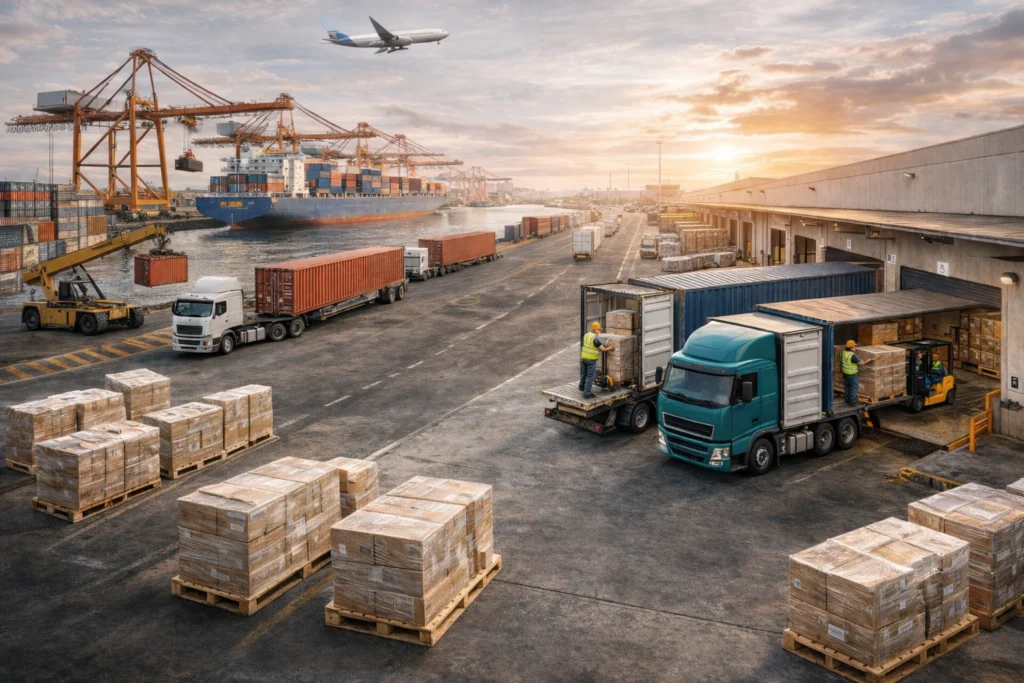
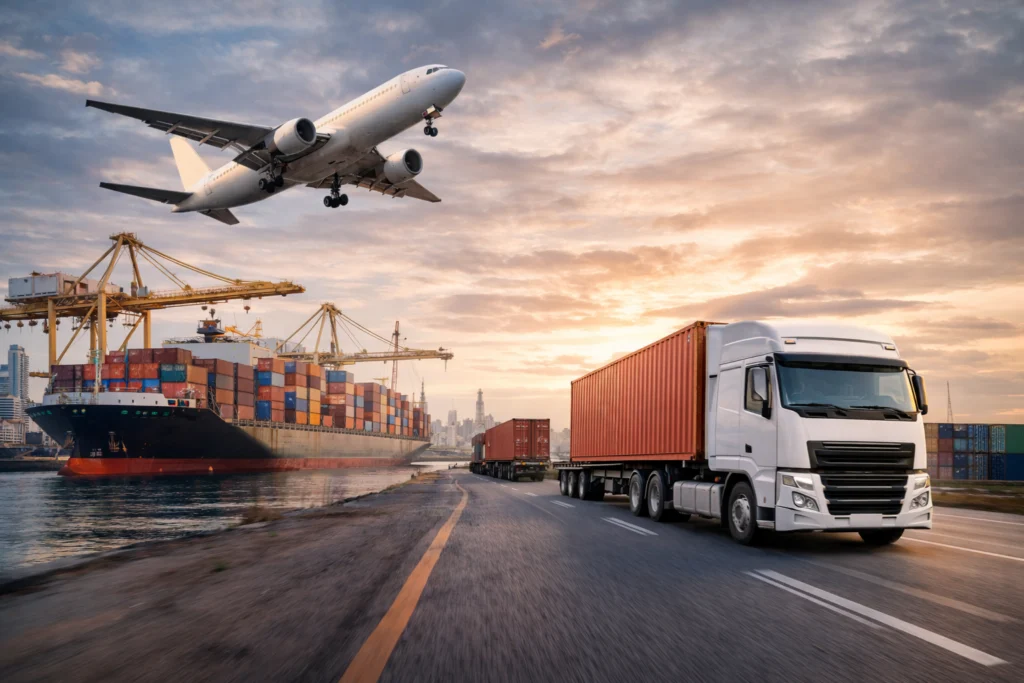
The transportation and logistics industry stands at a critical crossroads in 2026, facing unprecedented pressure to reduce its environmental impact while maintaining operational efficiency. Global freight operations contribute significantly to worldwide carbon emissions, with road transportation alone accounting for a substantial portion of greenhouse gas output. However, innovative companies are proving that environmental responsibility and business success can coexist through strategic decarbonization initiatives that reduce carbon dioxide emissions while simultaneously improving cost efficiency and operational performance.
The urgency for sustainable logistics practices has intensified as regulatory frameworks tighten across major economies. The European Union’s Transport 2050 Strategy mandates that thirty percent of road freight traveling over three hundred kilometers must shift to alternative transportation modes such as rail or waterborne transport by 2030, increasing to more than fifty percent by 2050. This ambitious target reflects a growing recognition that decarbonizing the supply chain requires comprehensive transformation rather than incremental adjustments. Companies that proactively adopt green logistics practices position themselves advantageously for future compliance requirements while capturing immediate operational benefits.
Understanding Carbon Footprint in Freight Operations
Measuring carbon emissions accurately forms the foundation of any successful decarbonization strategy. The logistics carbon footprint encompasses all greenhouse gas emissions generated throughout the freight lifecycle, from warehousing and storage to transportation and final delivery. International standards such as ISO 14083 and the Global Logistics Emissions Council framework provide harmonized methodologies for calculating emissions across global supply chains, ensuring consistency and comparability in carbon accounting practices. These standardized approaches enable organizations to identify emission hotspots, establish baseline measurements, and track progress toward reduction targets with scientific precision.
Different transportation modes produce dramatically varying carbon footprints, making modal selection a critical factor in emissions management. Sea freight generates approximately ten to forty grams of carbon dioxide per metric ton per kilometer, representing the most environmentally efficient option for non-urgent shipments. In stark contrast, AIRFREIGHT produces between five hundred and six hundred grams per ton-kilometer, making it up to forty-seven times more carbon-intensive than ocean shipping. Road transportation falls between these extremes, though its emissions profile varies significantly based on vehicle type, fuel source, load capacity, and route efficiency. Understanding these distinctions allows logistics managers to make informed decisions that balance delivery requirements with environmental impact considerations.
Modal Shift Strategies for Emission Reduction
Transitioning freight from high-emission transportation modes like Road Freight to lower-carbon alternatives represents one of the most effective strategies for reducing logistics-related carbon dioxide output. Companies implementing modal shifts from air freight to sea or rail transportation, and from road trucking to rail networks, have achieved emission reductions ranging from thirty to sixty percent on affected routes. A German automotive manufacturer successfully reduced emissions by thirty-five percent after shifting forty percent of regional parts shipments from trucks to rail infrastructure. These modal transitions require careful planning to maintain delivery reliability and service quality, but the environmental and cost benefits often justify the additional logistical complexity.
Intermodal transportation systems that combine multiple transportation methods optimize both efficiency and sustainability. Road-rail and road-waterway intermodal routes can cut carbon dioxide emissions by thirty to sixty percent compared with truck-only transport, while simultaneously reducing transportation costs by twenty to forty percent in certain applications. The International Council on Clean Transportation documented a container journey from Shenzhen, China to Mira Loma, United States, demonstrating substantial emission reductions when rail replaced trucking for inland stretches. The Port of Los Angeles has implemented on-dock intermodal rail-waterway networks that eliminate unnecessary truck trips while utilizing electric-powered loading equipment and locomotives, showcasing how infrastructure investment supports decarbonization objectives.
| Transportation Mode | CO2 Emissions (grams per ton-km) | Best Application | Refueling/Recharging Time |
|---|---|---|---|
| Sea Freight | 10-40 | Bulk shipments, non-urgent delivery | Not applicable |
| Rail Transport | 30-100 | Long-distance, high-volume freight | Not applicable |
| Electric Trucks | 50-150 | Urban delivery, short-haul routes | Multiple hours |
| Hydrogen Fuel Cell Trucks | 60-180 | Long-haul freight, return-to-base operations | 10-15 minutes |
| Diesel Trucks | 60-150 | Traditional freight (being phased out) | 5-10 minutes |
| Air Freight | 500-600 | Urgent, high-value shipments only | Not applicable |
Fleet Electrification and Alternative Fuel Technologies
The transition to zero-emission vehicle fleets represents a transformative approach to reducing transportation-related carbon emissions. Electric trucks have emerged as viable alternatives for urban delivery and short-haul operations, offering fuel cost reductions of up to thirty percent compared to diesel equivalents. Major logistics providers including Amazon, DHL, and IKEA have already integrated electric vehicles into their delivery networks, cutting freight emissions by up to eighty percent in electrified operations. While electric trucks require higher initial capital investment, their lower operating costs per kilometer and reduced maintenance requirements create favorable total cost of ownership profiles over the vehicle lifecycle. However, current battery technology limitations, including extended charging times of several hours and range constraints, make electric trucks less suitable for long-distance freight applications.
Hydrogen fuel cell trucks address the range and refueling limitations that constrain battery-electric vehicles in long-haul freight operations. These vehicles generate electricity from hydrogen gas through fuel cells, emitting only water vapor at the tailpipe while delivering operational ranges exceeding six hundred miles per tank. Refueling hydrogen trucks takes approximately ten to fifteen minutes, comparable to conventional diesel refueling and significantly faster than battery recharging. The fuel cells themselves weigh less than large battery packs, helping preserve payload capacity that would otherwise be sacrificed to battery weight. Although hydrogen refueling infrastructure remains limited in 2026, strategic development programs such as the H2Accelerate initiative plan to establish approximately two hundred fifty high-capacity hydrogen stations along major freight corridors by 2035, creating the foundation for widespread fuel cell truck deployment.
Digital Optimization and Artificial Intelligence Applications
Advanced route optimization software powered by artificial intelligence algorithms can reduce fuel consumption and emissions by up to twenty percent by minimizing unnecessary mileage, avoiding traffic congestion, and eliminating empty return trips. These intelligent systems analyze multiple variables including delivery schedules, traffic patterns, vehicle capacity, fuel efficiency, and customer requirements to generate optimal routing plans that balance cost efficiency with environmental performance. AI-driven platforms continuously learn from operational data, refining their recommendations to account for seasonal variations, infrastructure changes, and emerging patterns. A Japanese e-commerce company achieved a twenty-two percent reduction in last-mile emissions per package through improved route clustering and load consolidation enabled by artificial intelligence systems.
Consolidated Cargo strategies maximize vehicle utilization rates, reducing the number of trips required to move equivalent freight volumes. By combining multiple shipments into single transport movements, companies eliminate wasted capacity and unnecessary vehicle miles, directly translating to proportional emission reductions. Dynamic warehouse-to-customer fulfillment systems further optimize delivery networks by intelligently selecting distribution centers based on proximity to end customers, reducing last-mile travel distances that represent some of the most carbon-intensive segments of the supply chain. Transportation management systems integrated with enterprise resource planning platforms enable automated data collection and analysis, providing real-time visibility into emission patterns and optimization opportunities that would remain invisible in manual planning processes.
Sustainable Warehousing and Distribution Infrastructure
Modern distribution centers contribute significantly to logistics carbon footprints through energy consumption for climate control, lighting, material handling equipment, and operational systems. Solar-powered warehouses equipped with photovoltaic panels have demonstrated the ability to reduce facility emissions by fifty percent or more, with some advanced facilities generating more energy than they consume and returning excess capacity to electrical grids. AI-driven climate control systems automate heating, cooling, and lighting based on occupancy patterns, weather conditions, and operational requirements, cutting energy consumption by up to forty percent compared to conventional environmental management approaches. These intelligent systems continuously optimize energy use without compromising worker comfort or product integrity, delivering both environmental and economic benefits.
Automated Storage and Retrieval Systems enhance warehouse sustainability by improving space utilization efficiency and reducing energy waste associated with traditional material handling methods. These systems minimize the physical footprint required for equivalent storage capacity, reducing the energy needed for climate control and facility operations. Network redesign strategies that position distribution centers closer to customer populations reduce warehouse-to-store distances, shortening transportation routes and decreasing associated emissions. A comprehensive approach to green warehousing encompasses renewable energy generation, energy-efficient building design, smart operational systems, and strategic facility location planning, creating compounding environmental benefits that exceed the sum of individual interventions.
Supplier Engagement and Value Chain Collaboration
Effective supply chain decarbonization extends beyond direct operations to encompass upstream suppliers and downstream logistics partners. Engaging suppliers early in sustainability initiatives, clearly communicating environmental expectations, and providing training and support for emission measurement and reduction creates collaborative relationships that amplify carbon reduction efforts throughout the value chain. Companies incorporating sustainability criteria into supplier selection and evaluation processes incentivize partners to prioritize environmental performance alongside traditional metrics of cost, quality, and reliability. This upstream engagement addresses Scope 3 emissions that often represent the majority of a company’s total carbon footprint but remain outside direct operational control.
Collaboration with logistics service providers accelerates the adoption of green freight practices and technologies across transportation networks. Rebidding transport contracts to favor carriers operating low-emission fleets, establishing preferred provider programs for partners meeting environmental standards, and sharing emission data transparently throughout the supply chain create accountability mechanisms that drive continuous improvement. A global consumer goods manufacturer working across forty-five countries with two hundred logistics partners achieved a twenty-eight percent reduction in logistics carbon dioxide output over three years by centralizing emissions data through a digital platform, rebidding contracts to favor green fleet operators, introducing modal shift guidelines for high-volume routes, and implementing an internal carbon price on air freight shipments.
Certification Standards and Regulatory Compliance
International certification programs provide frameworks for implementing and validating sustainable logistics practices. ISO 14001 establishes comprehensive environmental management systems that help organizations systematically reduce their environmental impact through structured processes, continuous improvement protocols, and stakeholder engagement. The Certified Green Logistics Professional program equips logistics managers with specialized knowledge in sustainable transportation strategies, environmental regulations, waste management, green packaging, and eco-friendly material handling practices. These certifications demonstrate organizational commitment to environmental responsibility while providing practical methodologies for achieving measurable emission reductions.
Regulatory compliance requirements continue to evolve globally, with emissions tracking and reporting becoming mandatory for major freight networks. The GHG Protocol Corporate Value Chain Accounting and Reporting Standard provides comprehensive guidance for quantifying and reporting Scope 3 emissions, including those generated by transportation and distribution activities. Modern carbon emissions management relies on API-driven emission calculations, real-time tracking and monitoring systems, integration with procurement platforms, and automated reporting capabilities that streamline regulatory compliance while providing actionable insights for operational improvement. Companies that implement robust measurement and reporting systems position themselves advantageously as regulatory requirements intensify and stakeholder expectations for environmental transparency continue to rise.
Economic Benefits and Operational Advantages
Sustainable logistics initiatives deliver compelling financial benefits that extend beyond regulatory compliance and corporate social responsibility objectives. Logistics firms adopting electric or hydrogen fleets report fuel cost reductions of thirty to fifty percent compared to diesel operations, with these savings accumulating substantially over vehicle lifetimes. Route optimization and load consolidation reduce fuel consumption while simultaneously improving asset utilization, allowing companies to move equivalent freight volumes with fewer vehicles and lower operational expenses. Energy-efficient warehouses powered by renewable sources cut electricity costs while insulating operations from energy price volatility, creating predictable operating expense profiles that facilitate financial planning.
Organizations implementing comprehensive decarbonization strategies experience enhanced supplier resilience, stronger environmental, social, and governance credentials, and increased investor confidence. Companies demonstrating leadership in sustainability attract environmentally conscious customers willing to pay premium prices for carbon-neutral shipping options, creating new revenue opportunities that offset implementation costs. As carbon pricing mechanisms expand globally and emissions regulations tighten, early adopters of low-carbon logistics practices gain competitive advantages over competitors facing future compliance costs and operational disruptions. The convergence of environmental imperatives, regulatory requirements, technological capabilities, and economic incentives positions sustainable logistics as a strategic necessity rather than an optional corporate initiative.