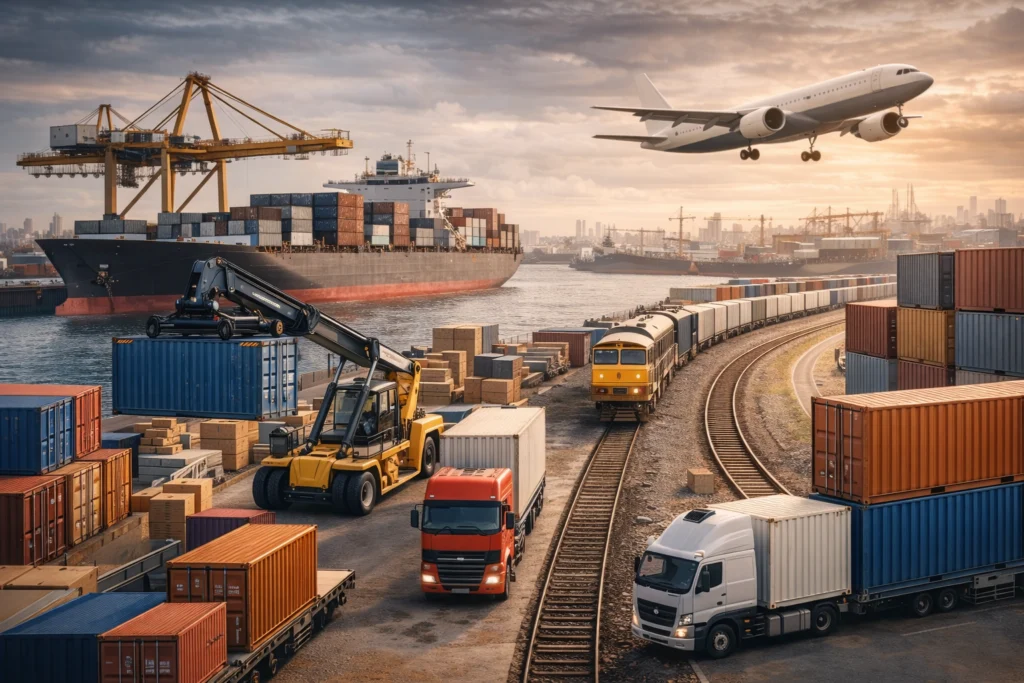
Global commerce increasingly demands transportation solutions that balance cost efficiency with delivery speed while maintaining operational flexibility across diverse supply chain scenarios. Multimodal transport represents a sophisticated logistics approach that strategically combines AIRFREIGHT, ocean shipping, and Road Freight within a single, coordinated service framework. Unlike traditional single-mode shipping or fragmented intermodal arrangements where each transportation segment operates independently, integrated multimodal solutions create seamless connectivity between different transport modes under unified management and documentation. This comprehensive approach enables businesses to optimize their supply chain performance by selecting the most appropriate transportation method for each segment of the journey, resulting in reduced total landed costs, improved transit times, and enhanced resilience against disruptions that commonly plague global logistics networks.
Understanding Multimodal Transportation Systems
Multimodal transport operates under a single contract where one carrier or freight forwarder assumes complete responsibility for moving cargo from origin to destination using multiple transportation modes as needed. This fundamental distinction separates multimodal services from intermodal transportation, where shippers must negotiate separate contracts with different carriers for each leg of the journey. The unified contract structure significantly reduces administrative complexity while providing shippers with a single point of accountability throughout the entire transportation process. When disruptions occur or adjustments become necessary, the multimodal transport operator bears responsibility for implementing alternative solutions without requiring the shipper to coordinate with multiple service providers or renegotiate contractual terms.
The strategic integration of air, sea, and road transport within multimodal frameworks enables logistics providers to leverage the distinct advantages of each mode while mitigating their individual limitations. Ocean freight offers unmatched cost efficiency for high-volume shipments and remains the backbone of international trade, though transit times typically extend to several weeks for intercontinental routes. Air transportation delivers exceptional speed and reliability for time-sensitive cargo, but premium pricing restricts its economic viability to high-value goods or urgent shipments where delay costs exceed freight expenses. Road Freight provides essential flexibility for first-mile pickup and last-mile delivery, connecting manufacturing facilities, warehouses, ports, and airports with comprehensive geographic coverage that neither air nor sea modes can independently achieve. By orchestrating these complementary capabilities within integrated service offerings, multimodal operators create transportation solutions that would be impossible through any single mode operating in isolation.
Strategic Benefits of Integrated Multimodal Solutions
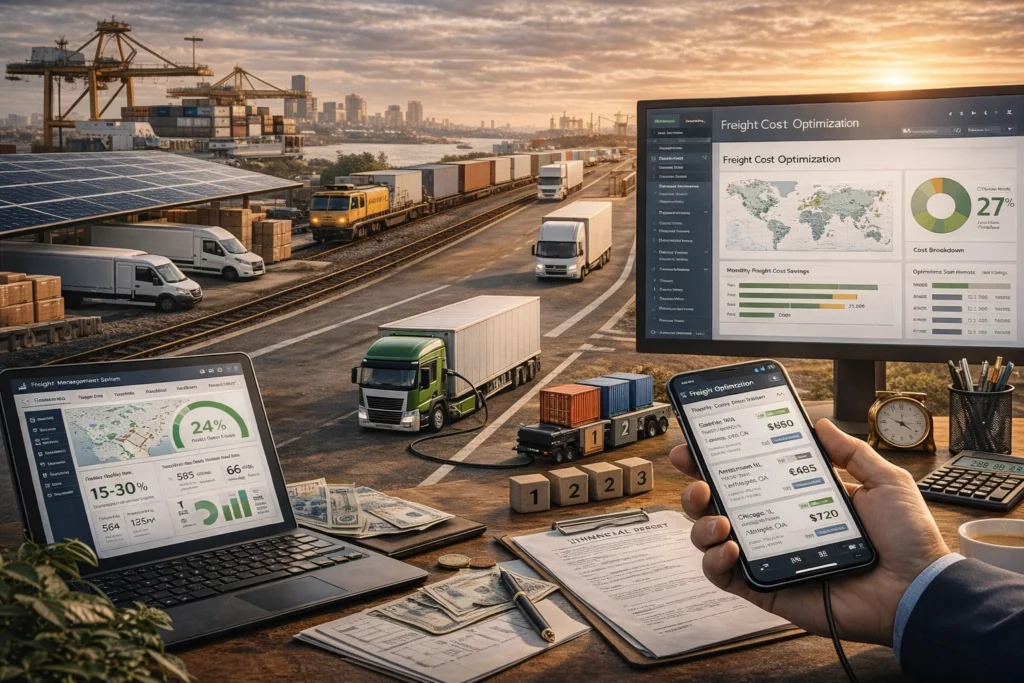
Cost optimization represents perhaps the most compelling advantage of multimodal transport strategies, as businesses can substantially reduce their overall freight expenditure by matching cargo characteristics and delivery requirements with the most economical transportation modes for each journey segment. Rather than defaulting to expensive air freight for the entire route or accepting extended transit times associated with all-ocean shipping, multimodal solutions enable nuanced decisions that balance speed and cost considerations. For instance, utilizing container transportation for the primary long-haul segment followed by AIRFREIGHT for the final continental leg typically delivers twenty to forty percent cost savings compared to pure air freight while reducing total transit time by thirty to fifty percent relative to all-sea routes. This middle-tier service option proves particularly valuable for businesses that cannot justify premium air freight rates but require faster delivery than traditional ocean shipping provides.
Enhanced supply chain flexibility emerges as another critical benefit, particularly in the volatile global trading environment of 2026 where port congestion, carrier delays, weather disruptions, and geopolitical tensions regularly challenge logistics operations. Multimodal transport operators maintain relationships with carriers across multiple transportation modes, providing access to alternative routing options when primary channels experience disruptions. If port congestion delays ocean vessel schedules, cargo can be rerouted through less congested facilities and transported via rail or trucking to maintain delivery commitments. When air cargo capacity tightens during peak shipping seasons, partial shipments can be expedited by air while less urgent components follow by ocean freight, ensuring production continuity without incurring the full cost of air transportation for the entire order. This operational agility helps businesses maintain service levels and protect customer relationships even when individual transportation modes face capacity constraints or service interruptions that would otherwise derail delivery schedules.
| Transportation Mode | Primary Advantages | Optimal Use Cases | Typical Cost Range |
|---|---|---|---|
| Ocean Freight | Lowest cost per unit, high capacity for containerized cargo, environmentally efficient | Large-volume shipments, non-urgent goods, heavy or bulky items | Baseline (1x) |
| Rail Transport | Cost-effective for domestic long-haul, weather resistant, reduced road congestion | Container movement between ports and inland distribution centers | 1.5x – 2x ocean freight |
| Road Transport | Maximum flexibility, door-to-door capability, no infrastructure limitations | First-mile pickup, last-mile delivery, regional distribution | 2x – 4x ocean freight |
| Air Freight | Fastest transit times, high reliability, superior security | Time-sensitive cargo, high-value goods, emergency shipments | 8x – 12x ocean freight |
| Sea-Air Combination | Balanced speed and cost, reduced inventory holding, lower emissions than pure air | Mid-range urgency shipments, seasonal goods, technology products | 3x – 5x ocean freight |
Sea-Air Transportation: The Optimal Hybrid Solution
Among various multimodal combinations, the sea-air transport model has gained particular prominence as a strategic middle-ground option that delivers compelling value propositions for specific cargo profiles and business scenarios. This hybrid approach utilizes ocean freight for the initial long-haul segment to a strategically located transshipment hub, where cargo transfers to air transportation for the final leg to the destination market. Major hubs facilitating sea-air operations include Dubai, Singapore, Hong Kong, and Istanbul, which serve as geographic pivot points connecting Eastern manufacturing centers with Western consumer markets. By leveraging the massive cost advantages of ocean shipping for the longest portion of the journey while employing air freight only for the shorter final segment, businesses achieve dramatic reductions in total transportation costs compared to pure air freight while still delivering goods substantially faster than all-sea alternatives.
The operational mechanics of sea-air services require sophisticated coordination to minimize handling time at transshipment points and ensure seamless transfer between transportation modes. Dedicated sea containers carrying sea-air cargo receive priority handling at hub ports, with expedited offloading procedures that can save eighteen to twenty-four hours compared to standard container processing. Streamlined customs clearance processes at these specialized hubs further accelerate the transition from ocean to air transport, reducing the risk of delays that could negate the speed advantages the hybrid model offers. Advanced tracking systems provide real-time visibility throughout both transportation legs, enabling logistics managers to monitor cargo progress and proactively address any issues that emerge during the transfer process. The combination of strategic hub selection, priority handling protocols, and integrated technology platforms allows sea-air operators to deliver consistent performance that meets the reliability expectations of businesses depending on this transportation solution for their supply chain operations.
Network Design and Route Optimization
Effective multimodal transportation requires comprehensive network design that considers the geographic distribution of suppliers, manufacturing facilities, distribution centers, and final customers while evaluating transportation infrastructure capabilities along potential routes. Strategic placement of distribution centers near major intermodal facilities such as ports with direct rail connections or airports with extensive trucking networks enhances the efficiency of multimodal operations by minimizing the distance and cost associated with drayage movements between transportation modes. Companies operating in Asia-Pacific markets benefit significantly from proximity to major container ports in Shanghai, Shenzhen, or Singapore, where established multimodal networks provide seamless connectivity to global markets through integrated ocean, rail, and air services.
Route optimization within multimodal frameworks extends beyond simple distance calculations to incorporate complex variables including transportation costs across different modes, transit time requirements, capacity availability, seasonal demand fluctuations, customs clearance efficiency, and infrastructure reliability. Advanced routing algorithms analyze these multidimensional factors to identify optimal combinations of transportation modes for specific lanes and cargo types. For shipments moving from Asian manufacturing centers to North American markets, optimal routing might involve ocean freight to West Coast ports, rail transportation across the continental United States, and final trucking delivery to end customers. Alternative scenarios during peak ocean freight seasons might route cargo through Gulf Coast ports or utilize partial air freight from Asian hubs to reduce pressure on congested Pacific maritime routes. The flexibility to adjust routing based on current market conditions, capacity constraints, and cost dynamics enables multimodal operators to maintain consistent service levels while controlling transportation expenses even as external circumstances fluctuate.
Documentation and Regulatory Compliance
Multimodal transport operations require specialized documentation that accommodates the regulatory requirements of multiple transportation modes and international jurisdictions while maintaining the simplified administrative structure that single-contract arrangements promise. The multimodal transport document serves as the primary shipping instrument, functioning simultaneously as a receipt for cargo, evidence of the transportation contract, and document of title that enables ownership transfer. This comprehensive document must indicate the names of both the shipper and consignee, describe the cargo in sufficient detail for customs purposes, specify the place where the carrier takes possession of goods and the designated delivery location, and clearly identify all transportation modes that will be employed during the journey. Unlike mode-specific documents such as ocean bills of lading or air waybills that govern only individual transportation segments, multimodal transport documents provide unified coverage across the entire journey under a single legal framework.
Regulatory compliance in multimodal operations demands thorough understanding of customs requirements, import regulations, security protocols, and trade documentation standards across all countries involved in the transportation chain. Each transportation mode brings specific regulatory considerations that must be satisfied to avoid delays or penalties. Ocean freight requires adherence to International Maritime Organization standards and port security regulations, while air cargo must comply with International Air Transport Association dangerous goods rules and aviation security screening protocols. Road transport operations face varying licensing requirements, weight restrictions, and environmental regulations depending on the jurisdictions traversed. Experienced multimodal operators maintain expertise across these diverse regulatory frameworks and ensure that all necessary permits, certificates, and declarations are properly prepared and submitted to relevant authorities throughout the transportation process. This comprehensive regulatory management protects shippers from compliance issues that could otherwise result in cargo holds, financial penalties, or reputational damage with customers and business partners.
Technology Integration and Visibility Solutions
Modern multimodal transport operations rely extensively on digital technologies that provide end-to-end visibility, enable predictive analytics, and facilitate coordinated decision-making across complex transportation networks. Integrated logistics platforms consolidate data from multiple carriers, transportation management systems, customs authorities, and tracking devices into unified interfaces where supply chain managers can monitor shipment status regardless of current transportation mode or geographic location. Real-time updates delivered through these platforms enable proactive responses to emerging issues such as vessel delays, flight cancellations, or customs holds, allowing logistics teams to implement alternative arrangements before problems escalate into missed delivery deadlines or customer service failures.
Predictive analytics capabilities represent the next evolution in multimodal transportation technology, moving beyond reactive monitoring to anticipate disruptions and recommend optimal solutions before issues materialize. Machine learning algorithms analyze historical performance data, weather forecasts, capacity trends, and market conditions to identify potential risks and suggest proactive mitigation strategies. If weather patterns indicate likely port congestion at a primary transshipment hub, the system might recommend routing cargo through alternative facilities or adjusting the modal split to rely more heavily on air freight for time-sensitive components. Automated optimization engines continuously evaluate thousands of routing scenarios to identify opportunities for cost reduction or service improvement based on current market conditions and available capacity. These advanced capabilities enable multimodal operators to deliver superior performance while managing the inherent complexity of coordinating multiple transportation modes, carriers, and regulatory environments within single, seamless service offerings.
Sustainability and Environmental Considerations
Environmental sustainability has evolved from a competitive differentiator to an operational baseline expectation in 2026, with businesses facing increasing pressure from customers, investors, and regulators to reduce carbon emissions associated with their supply chain operations. Multimodal transport strategies offer significant opportunities for emission reduction by strategically utilizing lower-carbon transportation modes for appropriate journey segments rather than defaulting to air freight for speed or trucking for convenience. Ocean freight generates approximately forty to sixty times lower carbon emissions per ton-kilometer than air transportation, making it the environmentally optimal choice for long-haul international movements when transit time permits. Rail transport similarly produces substantially lower emissions compared to trucking for continental movements, with some estimates suggesting emission reductions of seventy-five percent or more for equivalent distances and cargo volumes.
Strategic modal selection within multimodal frameworks enables businesses to achieve meaningful progress toward carbon reduction targets without sacrificing service quality or incurring prohibitive cost increases. By utilizing ocean freight and rail for the majority of transportation distances and reserving air freight and trucking for segments where their specific capabilities provide essential value, companies can reduce total supply chain emissions by forty to sixty percent compared to transportation strategies that rely predominantly on faster but carbon-intensive modes. Advanced carbon accounting tools integrated within transportation management platforms calculate emission impacts across different routing scenarios, enabling logistics planners to make informed decisions that balance environmental objectives with cost and service requirements. As carbon pricing mechanisms become more prevalent and regulatory reporting obligations expand, the environmental advantages of well-designed multimodal strategies will increasingly translate into tangible financial benefits beyond the reputational value of corporate sustainability commitments.
Implementation Best Practices and Carrier Selection
Successfully implementing multimodal transportation requires careful selection of logistics partners with demonstrated expertise across multiple transportation modes and established operational networks in relevant geographic markets. Businesses should evaluate potential multimodal operators based on their carrier relationships, hub access, technology capabilities, regulatory knowledge, and track record of performance consistency. Providers with owned assets across multiple modes offer certain advantages in terms of capacity control and operational integration, though freight forwarders with extensive carrier networks and specialized expertise often deliver superior service through best-of-breed partner selection and flexible capacity management. The optimal choice depends on specific business requirements, shipment characteristics, geographic scope, and strategic priorities regarding cost, speed, reliability, and sustainability.
Effective multimodal implementation also demands internal capabilities including cross-functional collaboration between procurement, logistics, sales, and finance teams to align transportation strategies with broader business objectives. Supply chain managers must develop comprehensive understanding of product characteristics, demand patterns, inventory policies, and customer service requirements to determine appropriate modal combinations for different product categories and market segments. High-value technology products with short product lifecycles may justify sea-air combinations or even pure air freight to minimize inventory holding costs and reduce obsolescence risk, while stable commodity goods with predictable demand patterns typically benefit from all-ocean shipping that prioritizes cost efficiency over speed. Continuous performance monitoring and regular strategy reviews ensure that multimodal approaches evolve with changing market conditions, business priorities, and available transportation options, maintaining alignment between logistics operations and corporate objectives as competitive landscapes and customer expectations shift over time.