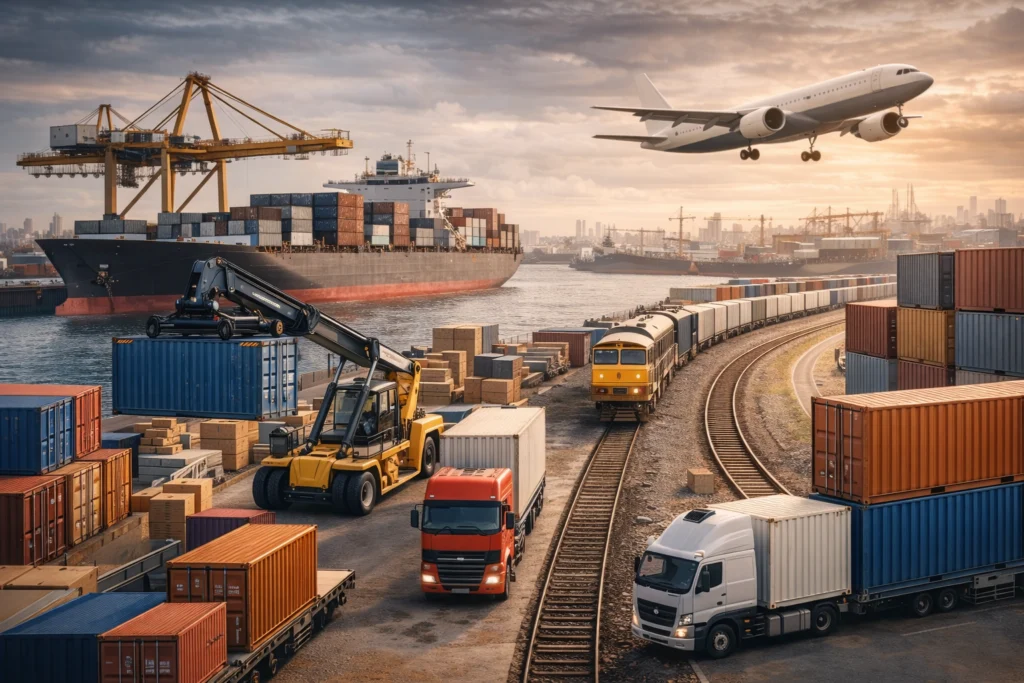
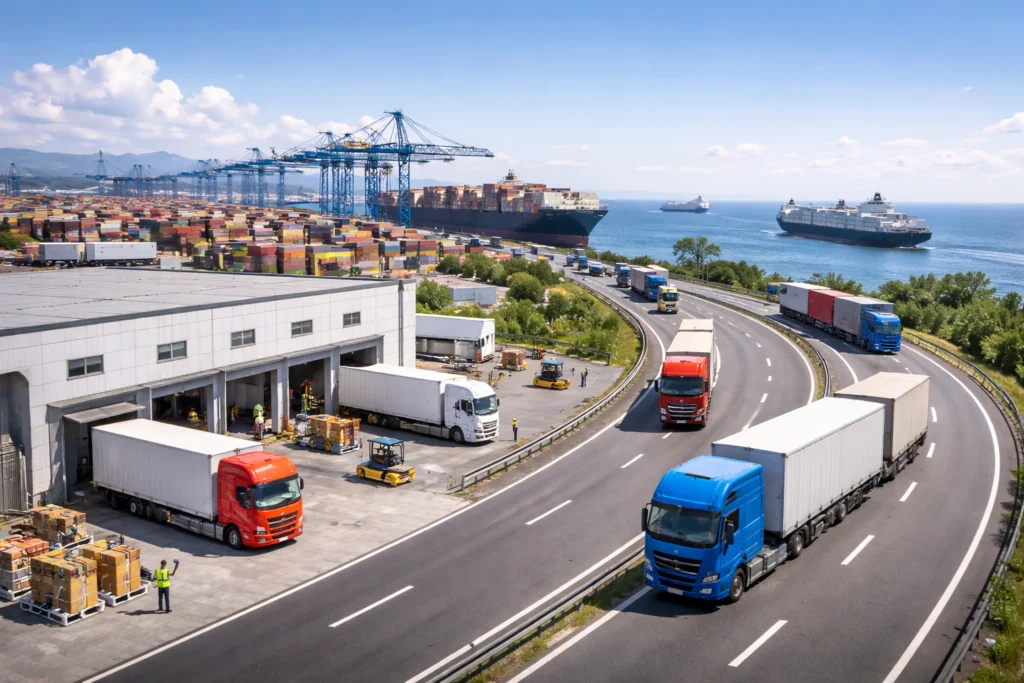
To fully grasp the importance of last-mile delivery optimization, it’s essential to understand how it fits within the broader logistics framework. The supply chain consists of three primary segments: first-mile, middle-mile, and last-mile logistics. First-mile logistics refers to the initial stage of the supply chain process, where goods are picked up from the supplier, manufacturer, or warehouse and transported to the first distribution center or transportation hub. This stage involves activities such as packaging, labeling, sorting, and loading products onto vehicles for transport. For retailers, the first mile means moving products from a local distribution center to their stores, while for manufacturers, it involves transporting finished products from production facilities to distribution centers. The efficiency of first-mile operations directly impacts the entire supply chain, setting the foundation for all subsequent transportation stages.
Last-mile delivery, in contrast, represents the final and often most complex stage of the supply chain, where products are transported from the last distribution center directly to the end customer’s location. While first-mile logistics typically handles bulk shipments to centralized locations, last-mile delivery deals with individual orders requiring precise timing, specialized handling, and direct customer interaction. This final stage is crucial for customer satisfaction and often represents the most expensive component of the entire delivery process.
The B2B Last-Mile Challenge
B2B last-mile delivery presents unique challenges that differ significantly from consumer deliveries. Unlike B2C shipments involving small packages to individual consumers, B2B deliveries often involve larger, bulkier freight requiring special handling, precise timing, and reliable on-time delivery. Businesses depend on these deliveries to keep operations running smoothly, making last-mile efficiency critical for maintaining supply chain continuity. However, rising costs, route inefficiencies, and supply chain disruptions create delivery delays that can disrupt business operations and negatively impact customer relationships. Last-mile delivery typically accounts for up to 53% of total shipping costs in B2B logistics, making optimization essential for maintaining profitability while meeting increasingly demanding service expectations.
Key Challenges in B2B Last-Mile Delivery
Several persistent challenges plague B2B last-mile operations, requiring targeted solutions:
- High operational costs from fuel expenses, labor, and inefficient routing
- Complex delivery requirements including specific time windows, specialized handling, and appointment scheduling
- Route inefficiencies resulting in unnecessary mileage, missed deliveries, and delays
- Lack of real-time visibility causing communication gaps between shippers, carriers, and customers
- Reverse logistics complexity for returns, exchanges, and failed delivery attempts
- Capacity constraints during peak periods and in urban areas with limited access
Advanced Route Optimization Technologies
Modern route optimization software represents the foundation of efficient B2B last-mile delivery. These systems use sophisticated algorithms and real-time data to calculate the most efficient delivery routes, considering traffic conditions, delivery time windows, vehicle capacity, and special handling requirements. Dynamic route optimization goes beyond static planning by continuously adjusting routes based on changing conditions such as traffic congestion, weather disruptions, or last-minute delivery changes. Companies implementing advanced route optimization typically achieve cost savings of up to 18% per shipment while improving on-time delivery rates and reducing fuel consumption. The technology enables delivery consolidation, allowing multiple orders to be combined into single trips, maximizing vehicle utilization and minimizing environmental impact.
Real-Time Tracking and Visibility Solutions
Enhanced visibility through real-time tracking systems transforms B2B delivery operations by providing complete transparency throughout the delivery process. GPS-based tracking enables businesses to monitor vehicle locations, delivery status, and potential delays in real-time, allowing proactive communication with customers and quick responses to disruptions. This level of visibility reduces uncertainty, improves the delivery experience, and minimizes failed deliveries that can be costly and time-consuming. Real-time tracking also enables accurate estimated time of arrival (ETA) updates, helping B2B customers better plan their receiving operations and reduce wait times. Companies report that implementing comprehensive tracking systems leads to reduced customer service inquiries and improved customer satisfaction scores.
Innovative Delivery Models and Technologies
Forward-thinking companies are adopting innovative approaches to overcome traditional last-mile constraints:
Smart Parcel Lockers and Pickup Points
Smart lockers and designated pickup locations provide flexible delivery options that reduce the need for direct deliveries to business premises. This approach helps decrease failed delivery attempts and allows customers to receive packages at their convenience, while enabling drivers to consolidate deliveries to specific locations and optimize routes.
Alternative Vehicle Solutions
Electric and alternative fuel vehicles are becoming increasingly viable for B2B deliveries, offering reduced operating costs and environmental benefits. Companies are also exploring autonomous delivery vehicles for specific routes and delivery drones for urgent or remote deliveries.
Crowdshipping and Flexible Networks
Crowdshipping leverages existing networks of local couriers and gig economy workers to provide flexible capacity during peak periods. This approach can reduce costs while providing coverage in areas where traditional delivery networks may be limited.
Data Analytics and Predictive Intelligence
Predictive analytics powered by machine learning algorithms enables proactive management of delivery operations. By analyzing historical data, traffic patterns, weather conditions, and customer behavior, these systems can forecast potential delivery issues and optimize resource allocation. Predictive intelligence helps businesses schedule additional drivers during peak periods, anticipate demand fluctuations, and adjust delivery schedules to avoid known bottlenecks. This data-driven approach enables companies to move from reactive to proactive delivery management, reducing delays and improving overall efficiency. Advanced analytics also support demand forecasting, helping businesses optimize inventory positioning and reduce emergency shipments.
Implementation Best Practices
Successfully implementing last-mile efficiency improvements requires a systematic approach focusing on technology integration, process optimization, and performance measurement. Companies should begin by establishing baseline metrics for delivery performance, costs, and customer satisfaction. Technology investments should prioritize scalable solutions that integrate with existing systems and provide comprehensive visibility. Regular performance monitoring and continuous improvement processes ensure that efficiency gains are sustained and expanded over time. Training delivery teams on new technologies and processes is essential for maximizing return on investment and achieving desired outcomes.
This comprehensive approach to B2B last-mile delivery optimization enables companies to reduce costs, improve service quality, and maintain competitive advantage in an increasingly demanding logistics environment. By combining advanced technologies with strategic process improvements, businesses can transform last-mile delivery from a cost center into a competitive differentiator.