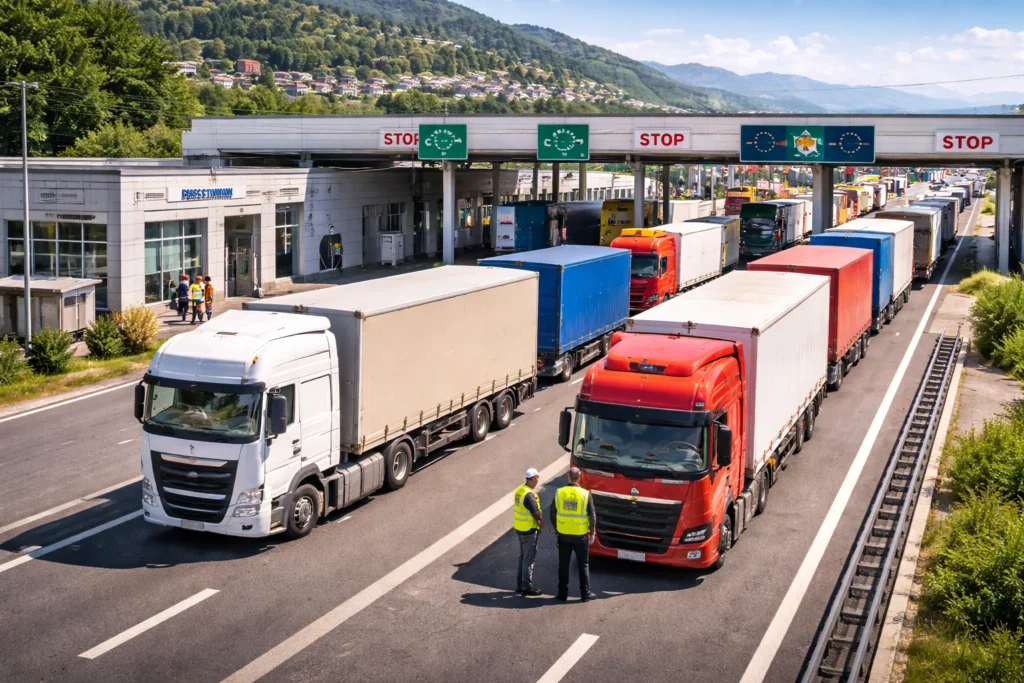
Understanding the Rising Freight Cost Challenge
In 2025, companies worldwide are facing unprecedented challenges due to rising freight costs combined with capacity shortages. These issues have become a pressing concern as businesses rely heavily on global shipping to maintain supply chains. The root causes are complex and interconnected. On one hand, the partial easing of tariffs between trading superpowers, such as the United States and China, has led to abrupt surges in shipment volumes, overwhelming carriers already operating near capacity. On the other, geopolitical tensions, including disruptions in critical maritime routes like the Red Sea, have forced ocean carriers to adopt longer, more expensive detours. These factors, coupled with enduring supply chain congestion and limited vessel availability, have created a perfect storm leading to freight rate increases reaching up to 300% on certain trade lanes. For businesses, this translates into significantly higher shipping expenses and potential delays impacting their entire supply chain and delivery schedules.
Main Causes of Capacity Shortages
Capacity shortages in freight logistics stem from multiple persistent factors exacerbating the challenges faced by global shippers:
- Geopolitical Disruptions: Conflict and unrest in maritime regions such as the Red Sea have forced vessels to bypass traditional chokepoints, rerouting through longer paths like around the Cape of Good Hope. This results in extended transit times of 10 to 21 additional days, vessel congestion, and tied-up fleet capacity.
- Tariff-Driven Demand Surges: Temporary alleviations in tariff regimes have caused rushes of shipments trying to beat tariff reimpositions or benefit from reduced costs. This sudden influx overwhelms the shipping infrastructure.
- Limited Vessel Availability: Many shipping companies have responded by reducing the frequency of sailings or canceling services (blank sailings) to protect profitability during unpredictable demand cycles, which in turn shrinks available capacity.
- Supply Chain Congestion: Port congestions and slower vessel turnarounds at major hubs continue to create bottlenecks that reduce container and shipping slot availability downstream.
Strategies to Overcome Rising Freight Costs and Capacity Constraints
Despite these challenges, shippers can adopt several effective strategies to mitigate the cost and capacity pressures of 2025:
1. Plan and Book in Advance
Securing contracts or long-term commitments with carriers ahead of time can lock in more favorable rates and guarantee capacity. Early booking is especially crucial in volatile markets to avoid last-minute premium surcharges and unavailability. Forward planning also allows better operational and budget forecasting.
2. Diversify Shipping Routes and Modes
Flexibility is key. Companies should explore multiple transportation options, such as:
- Utilizing alternative shipping routes to bypass congested or conflict-affected corridors.
- Combining ocean freight with rail and road (intermodal transport) to optimize cost and transit times.
- Employing air freight selectively for urgent or high-value shipments despite it being more expensive, to avoid costly delays.
Diversifying routing and modes spreads risk and improves supply chain resilience.
3. Leverage Technology and Data Analytics
Modern digital freight platforms equipped with AI and predictive analytics offer real-time market insights. These tools empower shippers to:
- Monitor fluctuating freight rates and capacity availability dynamically.
- Optimize shipment consolidation to maximize container utilization.
- Identify the most cost-effective routes and timing for dispatch.
This data-driven approach cuts inefficiencies and strengthens decision-making in complex freight environments.
4. Collaborate Closely with Carriers
Building strategic, transparent partnerships with transportation providers helps improve service reliability. Regular communication enables carriers to allocate capacity more effectively to prioritized clients and negotiate terms that balance flexibility and cost control. Collaboration fosters mutual benefits during tight capacity periods.
5. Optimize Inventory and Supply Chain Networks
Supply chain reconfiguration can reduce exposure to rising freight costs and delays by:
- Locating inventory closer to key demand centers through regional warehouses or nearshoring.
- Streamlining product ordering and production schedules to reduce emergency shipments.
- Employing inventory models that balance lean operations with buffer stocks to absorb disruptions.
These tactics increase agility and mitigate risks posed by fluctuating freight markets.
Looking Ahead: Managing Freight in a Volatile Market
The freight logistics landscape of 2025 will likely remain dynamic due to ongoing tariff negotiations, geopolitical uncertainties, and evolving demand patterns. However, companies that actively adopt forward-looking strategies can significantly reduce their vulnerability to cost spikes and capacity crunches. Investing in digital tools, diversifying transport modes, and strengthening carrier relationships are vital steps toward building resilient and cost-efficient supply chains. Ultimately, mastering these challenges will enable businesses to maintain competitive advantage and deliver value in global markets despite an unpredictable freight environment.