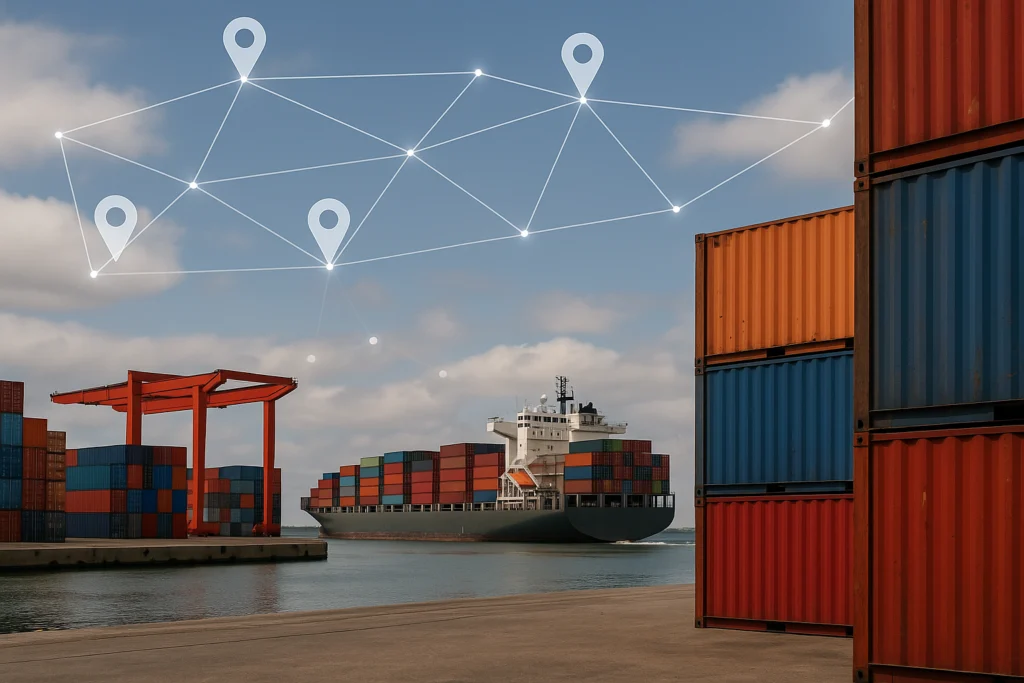
Consolidated Cargo shipments represent a transformative logistics strategy that allows small and medium-sized exporters to combine multiple smaller consignments into a single larger shipment, dramatically reducing transportation costs while maintaining reliable delivery schedules. This approach addresses one of the most significant challenges facing smaller businesses in international trade: the inability to fill entire shipping containers economically. Rather than paying for full container loads when shipping modest volumes, exporters can share container space and transportation expenses with other businesses shipping to similar destinations, creating a cost-sharing model that levels the playing field against larger competitors with greater shipping volumes. The consolidation process typically involves freight forwarders aggregating shipments from multiple clients at a central warehouse, organizing them efficiently within containers, and coordinating customs documentation to streamline the clearance process at destination ports.
The mechanics of shipment consolidation extend beyond simple space-sharing to encompass sophisticated logistics coordination that optimizes every aspect of the transportation process. Freight forwarding companies maintain extensive networks of carriers, customs officials, and destination partners who work together to ensure consolidated shipments move efficiently through international supply chains. For small and medium exporters who lack the resources to develop their own global logistics infrastructure, these established networks provide immediate access to competitive shipping rates, optimized transit routes, and reliable delivery capabilities that would otherwise remain out of reach. Modern consolidation services leverage digital platforms that enable real-time tracking, transparent pricing structures, and synchronized pickup scheduling, transforming what was once a complex logistical challenge into a Streamlined Logistics process that even businesses new to exporting can navigate successfully.
Cost Reduction Through Economies of Scale
The financial benefits of consolidated shipments stem primarily from economies of scale that allow small exporters to access pricing structures typically reserved for high-volume shippers. Research indicates that freight consolidation can reduce shipping costs by twenty-five to thirty percent for small and medium enterprises compared to traditional shipping methods, with some businesses achieving even greater savings on specific trade lanes. These cost reductions arise from multiple sources, including shared container fees, reduced per-unit handling charges, and access to preferential carrier rates negotiated by freight forwarders on behalf of their collective client base. Instead of paying for an entire twenty-foot or forty-foot container regardless of actual cargo volume, exporters using less-than-container-load services pay only for the cubic meters or weight their goods occupy, ensuring that transportation expenses align directly with business needs rather than container capacity constraints.
Beyond the immediate reduction in freight charges, consolidated shipments eliminate many hidden costs that disproportionately impact smaller exporters operating with limited shipping budgets. The traditional approach of waiting to accumulate sufficient inventory to justify a full container load creates warehousing expenses, ties up working capital in unsold inventory, and reduces business agility in responding to market demands or customer orders. Consolidation enables more frequent shipping in smaller quantities, allowing businesses to maintain leaner inventory levels while still meeting customer commitments reliably. This improved inventory velocity translates into better cash flow management, reduced storage costs, and the ability to respond more quickly to changing market conditions or customer preferences. Small exporters who previously struggled with the choice between prohibitively expensive small shipments or capital-intensive inventory buildup discover that consolidation provides a middle path that optimizes both cost efficiency and operational flexibility.
Enhanced Market Access and Competitive Positioning
Consolidated shipments fundamentally expand market opportunities for small and medium exporters by removing the volume thresholds that previously made certain international markets economically inaccessible. Businesses that could not justify the expense of shipping full containers to distant markets can now participate in those markets by sharing transportation costs with other exporters, effectively democratizing access to global trade opportunities. This expanded reach proves particularly valuable when testing new markets, where initial order volumes may be modest but growth potential remains substantial. Rather than committing to large inventory shipments before understanding market dynamics or customer preferences, exporters can use consolidation services to ship smaller test quantities, gather market feedback, and scale operations gradually as demand materializes.
The competitive advantages extend beyond simple market access to encompass improved service capabilities that enhance customer relationships and brand reputation. Consolidated shipping services typically offer more frequent departure schedules compared to waiting for full container loads, enabling exporters to promise shorter lead times and more predictable delivery windows to their customers. This service reliability becomes a powerful differentiator in competitive markets where delivery performance influences purchasing decisions as much as product quality or pricing. Small exporters who leverage consolidation effectively can match or exceed the delivery capabilities of larger competitors, challenging the traditional assumption that company size determines service quality. The ability to ship smaller quantities more frequently also supports just-in-time inventory strategies that many international buyers prefer, reducing their storage costs while ensuring product availability when needed.
| Consolidation Benefit | Impact on Small Exporters | Typical Results |
|---|---|---|
| Reduced Shipping Costs | Share container and handling expenses with other shippers | 25-30% cost savings compared to small parcel or express services |
| Lower Inventory Requirements | Ship smaller quantities more frequently without economic penalty | Improved cash flow and reduced warehousing expenses |
| Market Expansion | Economic access to distant markets previously too expensive to serve | Geographic diversification and reduced dependency on limited markets |
| Service Reliability | Consistent departure schedules and predictable transit times | Enhanced customer satisfaction and repeat business rates |
| Simplified Documentation | Freight forwarders manage customs paperwork and compliance | Reduced administrative burden and fewer clearance delays |
Operational Efficiency and Risk Management
Consolidated shipments streamline operational workflows by centralizing logistics management with experienced freight forwarding partners who handle the complex coordination required for international shipping. Small and medium exporters often lack specialized logistics expertise or dedicated supply chain personnel, making the administrative burden of international shipping a significant challenge that diverts resources from core business activities. Freight forwarders managing consolidated shipments assume responsibility for preparing export documentation, coordinating customs clearance, arranging inland Road Freight transportation, and tracking shipments throughout the delivery process. This consolidation of logistics functions under a single point of contact dramatically simplifies operations for exporters, reducing the time and expertise required to manage international deliveries while improving execution reliability through professional logistics management.
Risk mitigation represents another crucial advantage that consolidated shipping provides to smaller exporters operating in the complex and sometimes unpredictable environment of international trade. Consolidated shipments experience fewer handling points and transfers compared to traditional small parcel services, reducing the probability of lost or damaged goods during transit. The involvement of established freight forwarders with proven carrier relationships and comprehensive insurance options provides additional protection against transportation risks that could devastate businesses operating on thin margins. Consolidation services also reduce customs-related risks by ensuring proper documentation, accurate product classification, and compliance with destination country regulations. For exporters navigating unfamiliar international markets, this professional support system prevents costly errors in customs procedures, tariff classifications, or import regulations that could result in shipment delays, unexpected fees, or regulatory penalties that undermine profitability and damage customer relationships.
Environmental Sustainability and Corporate Responsibility
The environmental benefits of freight consolidation align with growing corporate and consumer emphasis on sustainable business practices, providing small and medium exporters with opportunities to reduce their carbon footprint while simultaneously cutting costs. Consolidated shipments maximize container utilization rates, reducing the number of partially filled containers moving through global supply chains and thereby decreasing per-unit carbon emissions by up to thirty-four percent compared to less efficient shipping methods. This improved resource utilization extends beyond container space to encompass overall transportation efficiency, as fewer vehicles are required to move the same volume of goods when shipments are properly consolidated. Exporters increasingly recognize that environmental sustainability represents not just a social responsibility but also a competitive advantage, as both retail partners and end consumers demonstrate growing preference for businesses that minimize their environmental impact through efficient supply chain practices.
Small exporters who adopt consolidated shipping strategies can credibly communicate their commitment to environmental stewardship, differentiating their brands in markets where sustainability influences purchasing decisions. This positioning proves particularly valuable when competing for contracts with larger retailers or corporate buyers who maintain supplier sustainability requirements as part of their procurement policies. The ability to demonstrate measurable reductions in shipping-related carbon emissions through consolidation provides concrete evidence of environmental commitment that resonates with environmentally conscious customers and business partners. Furthermore, as governments worldwide implement carbon pricing mechanisms and environmental regulations affecting international trade, the efficiency gains from consolidated shipping may translate into direct cost savings beyond traditional freight charges, creating additional financial incentives for sustainable logistics practices that benefit both business profitability and planetary health.
Technology Integration and Digital Platforms
Modern consolidation services leverage sophisticated digital platforms that provide small and medium exporters with visibility and control capabilities that rival those available to multinational corporations with dedicated logistics departments. Real-time tracking systems integrated with consolidated shipping services enable exporters to monitor shipment progress continuously, receiving automated notifications about key milestones such as container loading, departure from origin ports, customs clearance completion, and estimated arrival times at destination. This transparency eliminates the uncertainty that previously characterized international shipping for smaller businesses, allowing them to provide accurate delivery information to customers, coordinate receiving arrangements with destination partners, and respond proactively to any delays or disruptions that emerge during transit. The availability of comprehensive tracking data also supports more sophisticated supply chain planning, enabling exporters to optimize inventory levels, schedule production runs, and manage customer commitments based on accurate information rather than estimates or assumptions.
Digital freight platforms have democratized access to competitive shipping rates by creating transparent marketplaces where small exporters can compare options from multiple freight forwarders and carriers simultaneously. These platforms eliminate the information asymmetry that previously disadvantaged smaller shippers who lacked the market knowledge or negotiating leverage to secure favorable rates. By presenting pricing, transit times, and service options in standardized formats, digital platforms enable informed decision-making based on objective comparisons rather than limited options from a single provider. Many platforms also offer additional features such as automated documentation preparation, customs compliance checking, and integration with business management software that further streamline the export process. The technology transformation of freight consolidation has effectively removed technical barriers that once made international shipping intimidating for small businesses, replacing complexity with user-friendly interfaces that make global trade accessible to exporters regardless of their logistics expertise or organizational size.
Strategic Partnership with Freight Forwarders
Successful utilization of consolidated shipments requires selecting and developing strategic relationships with freight forwarding partners who understand the unique needs and constraints of small and medium exporters. The ideal freight forwarder provides more than just consolidation services, offering personalized guidance that helps exporters navigate the complexities of international trade, optimize their shipping strategies, and avoid common pitfalls that can undermine profitability or damage customer relationships. Exporters should seek partners who assign dedicated account managers familiar with their business requirements, provide transparent and flexible pricing models that accommodate fluctuating shipping volumes, and demonstrate expertise in the specific trade lanes and destination markets relevant to their operations. The quality of the freight forwarding relationship often determines whether consolidation delivers its full potential benefits or simply becomes another transactional vendor relationship that fails to create lasting value.
Building strong partnerships with freight forwarders creates opportunities for continuous improvement in logistics performance as both parties develop mutual understanding and align their operations for maximum efficiency. Experienced forwarders can identify opportunities for further cost reduction, suggest alternative routing options that improve transit times or reduce expenses, and provide market intelligence about changing regulations, carrier performance, or trade conditions that affect shipping decisions. These partnerships prove especially valuable during disruptions such as port congestion, carrier capacity shortages, or regulatory changes, when established relationships provide priority access to limited container space and expert guidance for navigating challenges. Small and medium exporters who view their freight forwarder as a strategic partner rather than simply a service provider typically achieve superior results in cost management, service reliability, and overall supply chain performance, transforming logistics from a necessary expense into a competitive advantage that supports business growth and market expansion.