Artificial intelligence is fundamentally transforming the freight and logistics industry, moving from theoretical possibilities to measurable operational improvements that directly impact profitability and efficiency. The global AI logistics market reached $20.8 billion in 2025, demonstrating how rapidly shippers and carriers are adopting intelligent automation to solve long-standing supply chain challenges. This transformation is not about replacing human expertise but augmenting it with data-driven insights that enable faster, smarter decisions across every stage of the transportation lifecycle.
Intelligent Route Optimization and Dynamic Fleet Management
Modern AI-powered route optimization systems analyze massive datasets including real-time traffic patterns, weather conditions, road closures, and historical delivery performance to calculate the most efficient paths for shipments. Unlike traditional routing software that relies on static algorithms, machine learning models continuously improve by learning from every completed delivery, adapting to seasonal variations, regional traffic patterns, and carrier performance characteristics. Mid-sized logistics providers have reduced transportation costs by up to 15% through AI-powered freight matching that automatically assigns 99.7% of loads without manual intervention. These intelligent systems monitor fleet performance in real-time, predicting maintenance needs before breakdowns occur and minimizing costly downtime that disrupts delivery schedules. The technology also optimizes fuel consumption by analyzing driver behavior, vehicle specifications, and terrain characteristics to recommend speed adjustments and route modifications that reduce emissions while maintaining delivery commitments.
Predictive Demand Forecasting and Inventory Planning
Artificial intelligence enables shippers to anticipate demand fluctuations with unprecedented accuracy by analyzing historical sales data, seasonal trends, market conditions, economic indicators, and even social media sentiment. These predictive models help companies optimize inventory levels across distribution networks, reducing both stockouts and excess inventory carrying costs that erode profit margins. Major retailers have implemented AI-driven production and distribution systems that automatically allocate manufacturing capacity across hundreds of facilities and adjust distribution plans for over 120,000 products daily, reducing lead times by 50% while maintaining fulfillment accuracy above 99%. Machine learning algorithms identify complex patterns in supply and demand that human analysts might miss, such as correlations between weather patterns and product categories or the ripple effects of regional events on transportation capacity. This predictive capability allows logistics managers to proactively adjust carrier contracts, warehouse staffing, and transportation modes before demand spikes strain existing capacity.
Automated Freight Matching and Carrier Selection
AI-powered freight matching platforms revolutionize how shippers connect with carriers by analyzing thousands of variables including carrier performance history, equipment availability, pricing trends, lane preferences, and service quality metrics. These intelligent systems reduce the time required to find optimal carriers from hours to seconds, while simultaneously improving load acceptance rates and reducing empty miles that waste fuel and increase costs. The technology evaluates real-time market conditions to recommend optimal tender timing, helping shippers secure capacity at competitive rates even during peak seasons when traditional spot markets become volatile. Advanced machine learning models assess carrier reliability by analyzing on-time performance, claims history, communication responsiveness, and financial stability to minimize the risk of service failures that damage customer relationships. For shippers managing complex multi-modal shipments, AI systems automatically evaluate trade-offs between transit time, cost, and service level to recommend the optimal combination of ocean, air, rail, and truck transportation.
Proactive Shipment Tracking and Exception Management
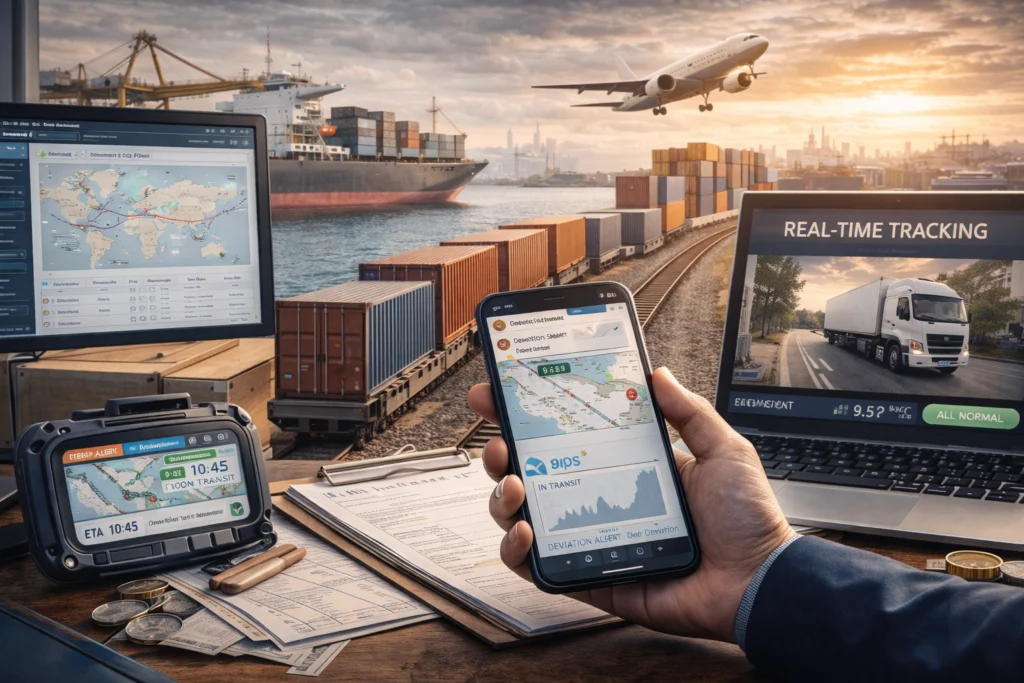
Modern AI systems continuously monitor shipments across global supply chains, automatically detecting anomalies and predicting potential disruptions before they impact delivery schedules. These intelligent tracking platforms integrate data from GPS devices, port operations, weather services, traffic monitoring systems, and carrier electronic logging devices to provide unprecedented visibility into freight movement. When the system identifies potential delays from traffic congestion, weather events, equipment failures, or customs processing bottlenecks, it automatically alerts logistics managers and recommends alternative routing options to maintain service commitments. Proprietary AI systems proactively flag disruptions and reroute shipments before delays occur, minimizing risk and protecting service levels that are critical for customer satisfaction. This predictive approach transforms exception management from reactive firefighting to strategic risk mitigation, allowing shippers to communicate proactively with customers and adjust downstream operations before disruptions cascade through supply chains.
Automated Documentation and Customs Compliance
Artificial intelligence streamlines the complex documentation requirements for international freight by automatically generating bills of lading, commercial invoices, packing lists, and customs declarations based on shipment characteristics. Machine learning models trained on thousands of successful customs clearances identify potential compliance issues before shipments arrive at border crossings, reducing costly delays from incorrect harmonized tariff codes, missing certificates of origin, or incomplete product descriptions. These intelligent systems continuously monitor changing trade regulations across countries, automatically updating documentation templates and alerting shippers to new requirements that could affect clearance times. For companies managing high volumes of cross-border shipments, AI-powered customs solutions reduce processing time from days to minutes while improving accuracy and reducing the risk of penalties from regulatory violations. The technology also optimizes duty management by analyzing alternative tariff classifications and trade agreements to identify legitimate opportunities for cost reduction within complex customs regulations.
Intelligent Freight Cost Calculation and Rate Management
AI-powered pricing tools transform how shippers estimate transportation costs by analyzing historical rate data, market conditions, fuel prices, seasonal demand patterns, and accessorial charges to generate accurate quotes in real-time. Traditional rate management systems rely on static tariffs that quickly become outdated in dynamic freight markets, leading to budget overruns and lost opportunities for cost savings. Modern machine learning models continuously calibrate pricing predictions based on actual transaction data, improving forecast accuracy and helping logistics managers negotiate more competitive carrier contracts. These intelligent systems also identify cost-saving opportunities by analyzing shipping patterns to recommend consolidation strategies, alternative routing options, or mode conversions that reduce total landed costs without compromising service quality.
RouteСost AI: Next-Generation Automation for Shipping Calculations
RouteСost AI represents a breakthrough in automated freight cost calculation, using artificial intelligence to instantly process client requests in any language and generate accurate shipping quotes across sea, air, road, and consolidated transportation modes. The platform’s intelligent parsing engine understands natural language requests, even with typos or incorrect geographic names, extracting route data correctly and matching it against a comprehensive logistics database. When exact routes aren’t available in the database, the AI system identifies the closest comparable routes and calculates costs based on similar lane characteristics and historical pricing patterns. Shippers simply enter route details and transportation type or paste a client’s request directly into the system, and the AI bot automatically extracts relevant data while asking clarifying questions only when necessary to ensure calculation accuracy. This automated approach reduces quote turnaround time from hours to minutes, allowing logistics sales teams to respond to customer inquiries faster while minimizing errors from manual data entry and improving overall pricing consistency across accounts.
Warehouse Automation and Smart Inventory Management
Artificial intelligence is revolutionizing warehouse operations through robotics coordination, intelligent picking optimization, and automated inventory tracking that reduces labor costs while improving accuracy and throughput. Machine learning algorithms analyze order patterns, product dimensions, weight characteristics, and picking frequency to optimize warehouse layouts, ensuring that high-velocity items are positioned in easily accessible locations that minimize travel time for fulfillment operations. AI-powered systems coordinate autonomous mobile robots, conveyor systems, and automated storage and retrieval equipment to orchestrate complex warehouse workflows that adapt in real-time to changing order priorities and resource availability. These intelligent platforms also predict optimal inventory positioning across multi-site distribution networks, automatically triggering stock transfers between facilities to balance availability against transportation costs and service time commitments. For shippers managing seasonal demand fluctuations, AI systems recommend dynamic storage strategies that adjust warehouse capacity utilization throughout the year, reducing costs from long-term facility commitments while maintaining the flexibility to scale operations during peak periods.