In today’s interconnected global economy, international shipping has become the backbone of successful business operations. Companies worldwide are constantly seeking reliable ways to move goods from suppliers to customers, navigating complex international logistics challenges. This is where global freight forwarding services become essential for modern businesses.
What is Freight Forwarding?
Freight forwarding is a comprehensive logistics service that involves organizing international shipments on behalf of shippers. A freight forwarder acts as an intermediary between the shipper and various transportation services, facilitating the movement of goods from origin to destination while handling the complex logistics involved in international trade.
Think of a freight forwarder as your logistics conductor, orchestrating the entire symphony of international shipping. They coordinate with shipping lines, airlines, trucking companies, and customs authorities to ensure your cargo reaches its destination safely and efficiently. Beyond simple transportation, they handle documentation, customs clearance, insurance arrangements, and provide real-time tracking throughout the journey.
How Global Freight Forwarding Works
The freight forwarding process begins when a business reaches out with their shipping requirements. The forwarder analyzes crucial factors such as cargo type, dimensions, origin and destination points, delivery timelines, and budget constraints. This initial consultation forms the foundation for developing an optimal shipping strategy.
Once requirements are understood, freight forwarders recommend the most suitable transportation method. Ocean freight offers cost-effectiveness for large volumes and non-urgent shipments, while air freight provides the fastest option for time-sensitive cargo. Road transport works ideally for regional deliveries, and rail freight efficiently handles long-distance continental shipping. Many shipments benefit from multimodal transport, combining different modes for optimal efficiency.
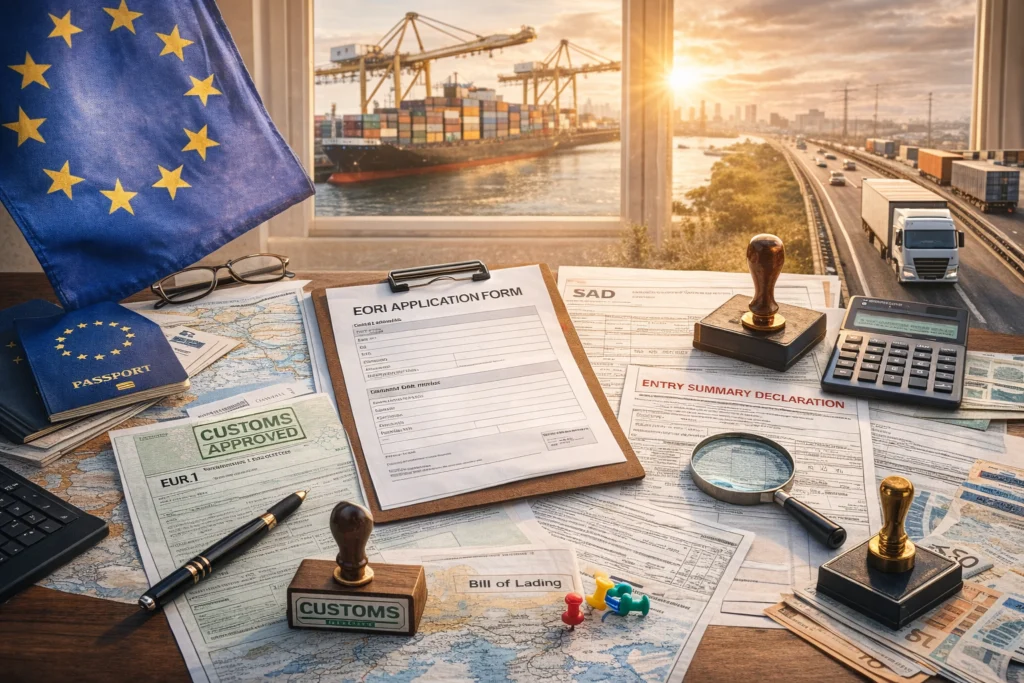
Documentation and compliance represent critical aspects of international shipping. Freight forwarders handle commercial invoices, packing lists, bills of lading, export licenses, certificates of origin, and customs declarations. Their expertise ensures all paperwork meets international standards and regulatory requirements.
Professional cargo handling includes pickup from supplier locations, inspection, packaging, and consolidation services. For businesses shipping smaller quantities, LCL (Less than Container Load) consolidation allows them to share container space and reduce costs significantly.
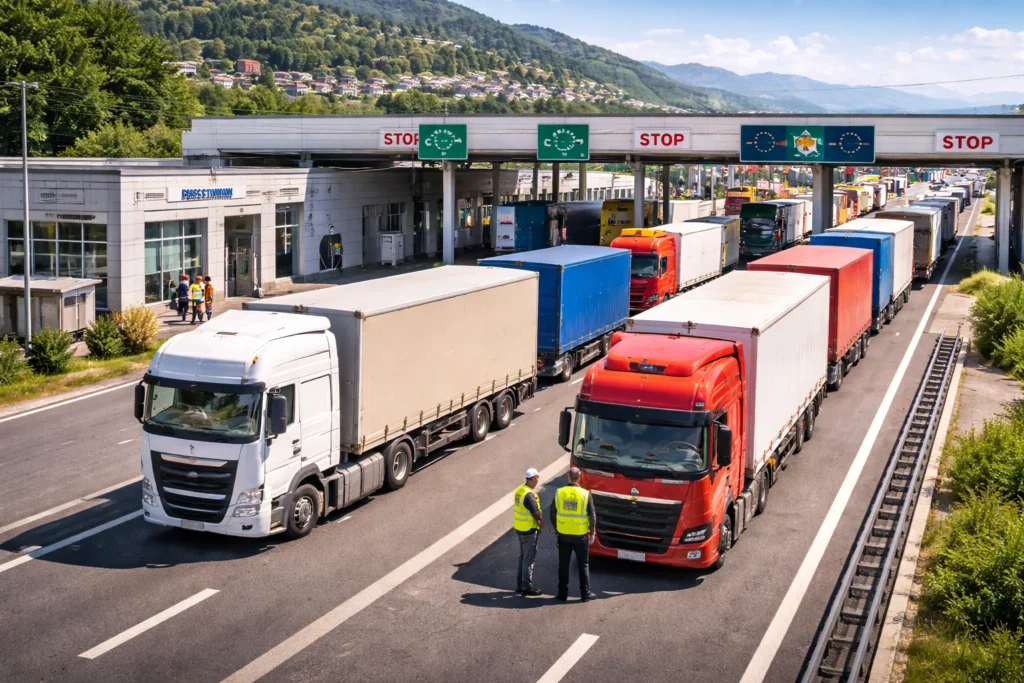
Customs clearance often presents the most challenging aspect of international shipping. Experienced customs brokers within forwarding companies prepare accurate documentation, calculate duties and taxes, coordinate with customs authorities, and resolve any clearance issues that may arise.
Why Businesses Need Global Freight Forwarding
Expertise in International Regulations
International shipping involves navigating a complex web of regulations that vary significantly between countries. Freight forwarders possess specialized knowledge of import and export requirements, trade agreements, tariffs, restricted goods, and compliance protocols. This expertise prevents costly delays and penalties that can occur when businesses attempt to handle international shipping independently.
Cost Optimization and Efficiency
Professional forwarders help businesses achieve significant cost savings through their established relationships with carriers. They negotiate volume discounts, optimize routes to reduce transit times, and provide cargo consolidation services that allow smaller shipments to share transportation costs. Their experience in mode selection ensures businesses choose the most cost-effective shipping method for their specific requirements.
Comprehensive Risk Management
International shipping inherently involves various risks, from cargo damage to regulatory compliance issues. Freight forwarders provide comprehensive insurance options, implement secure handling procedures, develop contingency plans for potential disruptions, and maintain professional liability coverage. This risk mitigation protects businesses from unexpected losses and ensures supply chain continuity.
Time Efficiency and Administrative Relief
Managing international shipments requires significant time and expertise. Freight forwarders streamline documentation processes, expedite customs clearance, provide proactive problem resolution, and offer real-time shipment tracking. This efficiency allows businesses to focus on their core operations while ensuring their international logistics run smoothly.
Global Network Access
Established freight forwarders maintain worldwide agent networks that provide local expertise in destination countries. These relationships enable them to navigate local regulations, customs procedures, and delivery requirements effectively. Many forwarders offer 24/7 customer support and multilingual communication capabilities, ensuring seamless coordination across different time zones and languages.
Benefits Across Different Business Types
E-commerce businesses particularly benefit from freight forwarding services through reliable international delivery options, returns management, customs duty calculation tools, and multiple shipping choices for customers. These services enable online retailers to expand globally while maintaining customer satisfaction through professional logistics support.
Manufacturing companies leverage freight forwarding for raw material import coordination, just-in-time delivery scheduling, supply chain optimization, and quality control services. This support ensures production continuity and helps manufacturers maintain competitive pricing through efficient logistics management.
Small and medium enterprises gain access to enterprise-level shipping rates and professional logistics expertise without maintaining in-house logistics departments. This access reduces operational complexity while providing the support needed for international market expansion.
Large corporations benefit from dedicated account management, customized logistics solutions, advanced reporting and analytics, and strategic supply chain consulting. These comprehensive services help optimize global operations and reduce overall logistics costs.
The Future of Global Freight Forwarding
The freight forwarding industry continues evolving through digital transformation initiatives. Artificial intelligence powers route optimization, blockchain technology ensures document verification security, IoT sensors provide real-time cargo monitoring, and automated systems streamline customs clearance processes.
Sustainability has become increasingly important, with forwarders implementing carbon footprint reduction programs, offering green shipping options, promoting sustainable packaging solutions, and providing environmental impact reporting. These initiatives help businesses meet their sustainability goals while maintaining efficient logistics operations.
Supply chain resilience remains a top priority, especially following recent global disruptions. Modern freight forwarders provide sophisticated risk assessment tools, alternative routing capabilities, inventory optimization services, and comprehensive contingency planning to ensure business continuity.
Global freight forwarding represents an essential service for businesses engaging in international trade. By partnering with experienced freight forwarders, companies can navigate complex international logistics, reduce costs, minimize risks, and focus on their core business activities. As global trade continues evolving, the expertise and services provided by professional freight forwarding companies become increasingly valuable for businesses of all sizes.
Whether you’re a small business taking first steps into international markets or a large corporation optimizing your global supply chain, understanding freight forwarding’s role and importance is crucial for international business success. The right freight forwarding partner transforms complex logistics challenges into competitive advantages, enabling businesses to thrive in the global marketplace while maintaining focus on growth and customer satisfaction.