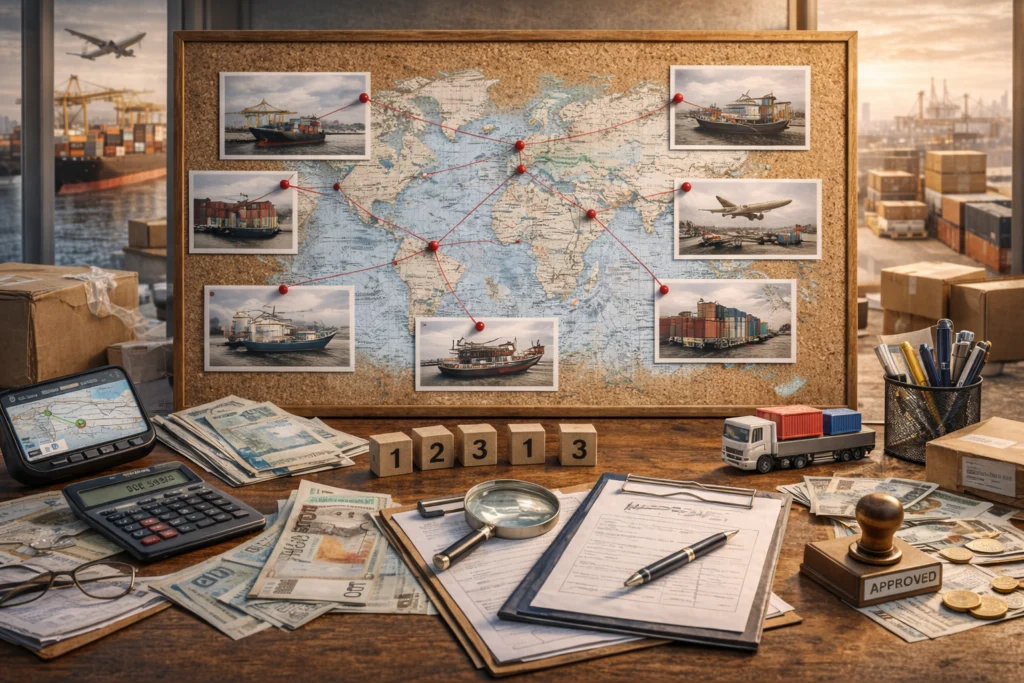
Container transportation represents the backbone of global trade, moving millions of tons of cargo across oceans every day. However, the journey does not end when a vessel reaches the destination port. The final leg from port to warehouse involves multiple stakeholders, complex documentation, and precise coordination to ensure goods arrive safely and on schedule. Understanding this critical phase of freight forwarding helps businesses optimize their supply chain operations, reduce costs, and avoid costly delays that can disrupt inventory management and customer satisfaction.
The port-to-warehouse logistics process encompasses everything from vessel unloading and customs clearance to inland transportation and final delivery. Each step requires careful planning and adherence to regulations, with various fees and charges applying throughout the journey. Modern container shipping has evolved into a sophisticated system where terminal operators, customs authorities, drayage providers, and warehouse managers work in concert to move cargo efficiently through international trade channels.
Vessel Arrival and Container Discharge Operations
When a cargo vessel arrives at the destination port, it must first secure a berth at the terminal, which can take several hours depending on port congestion and scheduled vessel traffic. The shipping line sends an arrival notice containing the estimated time of arrival (ETA) and estimated time of departure (ETD) to all relevant parties, including freight forwarders, customs brokers, and consignees. This notification triggers a series of preparatory activities that must be completed before containers can be released from the port facility. Port authorities verify vessel documentation, inspect manifests, and coordinate with terminal operators to allocate crane resources and yard space for incoming containers.
Once the vessel is properly berthed and secured, massive gantry cranes begin the discharge process, systematically lifting containers from the ship and placing them onto truck chassis or directly into the container yard. Terminal handling charges (THC) apply to cover the costs of these operations, which include crane usage, equipment maintenance, and labor expenses. The efficiency of this unloading phase directly impacts the entire supply chain, as delays at the terminal create bottlenecks that ripple through subsequent stages. During peak shipping seasons, terminals often experience congestion that can extend discharge times significantly, making advance coordination with terminal operators essential for maintaining freight itinerary schedules.
Documentation Requirements and Customs Clearance Procedures
Customs clearance represents one of the most critical and complex aspects of container shipping logistics. Before any container can leave the port facility, importers must provide comprehensive documentation to customs authorities, including a commercial invoice detailing the transaction value, a packing list describing the contents and quantities, and the bill of lading that serves as proof of ownership and the contract of carriage between shipper and carrier. The bill of lading is particularly important because it transfers title to the goods and obligates the carrier to deliver the cargo to the designated consignee. Additional documents may include certificates of origin, import licenses, sanitary certificates for food products, and specialized permits depending on the commodity being imported.
Customs authorities review these documents to assess applicable duties and taxes based on the declared value, country of origin, and commodity classification under the harmonized tariff system. The importer or their designated customs broker must pay all assessed duties, fees, and taxes before receiving the delivery order, which authorizes the release of cargo from customs control. This payment process generates an “Out of Charge” confirmation, signaling that all financial obligations have been satisfied and the container is cleared for onward movement. Any discrepancies in documentation or valuation can trigger physical inspections, which add time and expense to the clearance process. Maintaining accuracy across all commercial documents and ensuring consistency between the bill of lading and customs declarations prevents these delays and facilitates smooth cargo release.
Port Yard Storage and Associated Fees
After discharge from the vessel and completion of initial customs processing, Consolidated Cargo containers are typically moved to the port’s container yard for temporary storage while awaiting final clearance and pickup arrangements. This intermediate storage serves an essential function in the logistics chain, providing buffer capacity that allows terminals to manage vessel operations independently from inland transportation schedules. However, this convenience comes with time-sensitive cost implications that importers must manage carefully to avoid escalating expenses.
Demurrage charges represent one of the most significant port-related costs that shippers face. These fees are billed per container per day by the ocean carrier when cargo remains at the terminal beyond the allotted free time period, which typically ranges from three to seven days depending on the carrier, port location, and service agreement. Demurrage rates generally start between seventy-five and three hundred dollars per container per day and increase progressively the longer the container stays at the terminal. These charges are designed to incentivize quick cargo pickup and ensure efficient terminal operations by preventing containers from occupying valuable yard space indefinitely. Storage charges may also apply separately for the physical space occupied by the container on terminal grounds, creating a dual cost structure that makes prompt pickup economically imperative.
| Fee Type | Location | When It Starts | When It Ends | Typical Range |
|---|---|---|---|---|
| Demurrage | Inside port terminal | After free time expires (container on terminal) | When container leaves terminal | $75-$300 per day |
| Detention | Outside port terminal | When full container picked up from terminal | When empty container returned to yard | $75-$300 per day |
| Storage | Terminal yard or warehouse | When container enters storage facility | When container exits premises | Varies by location |
Gate Exit Process and Equipment Interchange
Before any container can leave the port facility, it must pass through a final checkpoint where terminal staff verify all necessary documentation and authorizations. The gate exit process requires presentation of the delivery order issued by customs, the gate pass confirming payment of all terminal fees, and the equipment interchange receipt that documents the transfer of responsibility for the container from the terminal to the trucking company. This equipment interchange receipt serves as a critical legal document that establishes liability for the container and its contents during inland transportation, recording the container’s condition, seal integrity, and identifying information at the moment it leaves terminal custody.
Terminal personnel conduct a visual inspection of the container exterior, checking for damage, verifying seal numbers against documentation, and confirming that the correct container is being released to the authorized carrier. Any discrepancies discovered at this stage must be resolved before the container can exit, which may involve additional inspections, documentation corrections, or security checks. The gate exit checkpoint also serves an important security function, ensuring that only properly authorized parties remove containers from the facility and that all movements are accurately tracked in terminal management systems. This documentation trail becomes essential if disputes arise later regarding cargo condition, delivery timing, or liability for damages during transportation.
Drayage Services and Inland Transportation Options
Once cleared through the port gate, containers enter the drayage phase, which involves short-distance Road Freight trucking from the terminal to the final destination warehouse or distribution center. Drayage represents a specialized segment of freight transportation that requires equipment capable of handling intermodal containers, drivers familiar with terminal procedures and routing, and coordination with both port operations and receiving facilities. The efficiency of drayage services significantly impacts overall supply chain performance, as delays in this phase can cause missed warehouse receiving windows, storage fee accumulation, and disruption to inventory replenishment schedules.
Several types of drayage services address different logistical scenarios and business requirements:
- Port drayage moves containers directly from marine terminals to nearby warehouses or distribution centers, representing the most common type of short-haul container transport in international trade.
- Door-to-door drayage provides comprehensive service from port pickup through final delivery, with a single provider managing the entire journey and often including customs clearance coordination, eliminating handoffs between multiple carriers.
- Shuttle drayage addresses port congestion by temporarily relocating containers to nearby off-dock facilities during peak periods, then delivering them to the final destination once terminal traffic subsides.
Detention charges become relevant during the drayage phase, starting when the full container leaves the terminal and continuing until the empty container is returned to the designated container yard. Unlike demurrage, which applies within the port terminal, detention charges are billed for the time the container spends outside terminal control. This includes transit time to the warehouse, unloading operations, and the return trip with the empty container. Most carriers provide a reasonable free time period for these activities, but extended unloading times or delays in returning equipment can result in daily charges similar in magnitude to demurrage fees. Coordinating efficient warehouse receiving schedules and prompt equipment return is therefore essential to minimize detention costs and maintain cost-effective import operations.
Warehouse Delivery and Container Devanning
The final stage of the port-to-warehouse journey occurs when the container arrives at the receiving facility, where warehouse staff verify the shipment against advance shipping notices and delivery documentation. Modern warehouses typically require advance notification of incoming containers to allocate dock doors, schedule receiving personnel, and prepare storage locations for the incoming inventory. Upon arrival, warehouse personnel conduct an initial inspection of container seals and exterior condition before breaking the seal and opening the doors to access the cargo inside. This seal verification is crucial for security and insurance purposes, as an intact original seal provides assurance that the container has not been opened or tampered with since leaving the shipper’s control.
Container devanning involves the systematic unloading of cargo from the container, which may be floor-loaded with individual cartons, packed on pallets, or contain bulk materials requiring specialized handling equipment. Warehouse teams inspect products for damage, verify quantities against packing lists, and process the inventory into warehouse management systems. Any discrepancies, shortages, or damage must be documented immediately and communicated to the freight forwarder and carrier, as most cargo claims require notification within specific timeframes. Once fully unloaded, the empty container must be promptly returned to the designated container yard to avoid detention charges, completing the journey from origin port through the global supply chain to its final destination where goods can be stored, processed, and distributed to end customers.