Navigating international freight presents significant challenges for B2B companies entering global markets, requiring comprehensive understanding of trade terminology, transportation modes, regulatory compliance, and cost management strategies. The complexity of cross-border logistics involves coordinating multiple stakeholders including suppliers, freight forwarders, customs brokers, carriers, and regulatory authorities across different countries with varying requirements and standards. For businesses new to international trade, mastering fundamental concepts such as Incoterms, transportation mode selection, customs documentation, and cost drivers provides the foundation for building efficient and reliable global supply chains that support profitable expansion into international markets. This guide explains essential freight concepts in practical terms, equipping B2B decision-makers with the knowledge needed to make informed logistics choices that balance cost, speed, reliability, and compliance requirements.
Understanding Incoterms 2020: The Language of International Trade
Incoterms (International Commercial Terms) are standardized trade terms published by the International Chamber of Commerce that define the responsibilities, costs, and risks between buyers and sellers in international transactions. The current Incoterms 2020 revision includes 11 distinct rules organized into two categories: seven rules applicable to any transportation mode (EXW, FCA, CPT, CIP, DAP, DPU, DDP) and four rules specifically for sea and inland waterway transport (FAS, FOB, CFR, CIF). These standardized terms eliminate ambiguity by clearly specifying which party bears responsibility for transportation costs, insurance coverage, export and import customs clearance, and at what point risk of loss or damage transfers from seller to buyer during the shipping process. Understanding Incoterms is critical because selecting inappropriate terms can result in unexpected costs, customs delays, insurance gaps, or disputes about responsibility when problems occur during transportation. The terms range from EXW (Ex Works), where the buyer assumes all responsibility immediately upon collection from the seller’s premises, to DDP (Delivered Duty Paid), where the seller handles everything including final delivery and import customs clearance at destination.
The 2020 revision introduced several important updates to reflect modern trade practices and address confusion from previous versions. The most significant change renamed DAT (Delivered at Terminal) to DPU (Delivered at Place Unloaded) to clarify that goods can be delivered to any agreed location, not exclusively terminals, as long as the seller unloads them. Another critical update modified FCA (Free Carrier) to accommodate situations where goods sold under FCA terms require an on-board bill of lading for letter of credit payment, allowing the buyer to instruct the carrier to issue the document to the seller after loading. This change addresses a longstanding problem where banks required on-board bills of lading for payment release, but FCA traditionally involved risk transfer before vessel loading, creating documentation gaps. The revision also enhanced security-related guidance, clarifying which party is responsible for export clearance formalities and which handles import clearance across all 11 terms. For B2B buyers, the most commonly recommended terms are FCA for containerized shipments, CIF or CIP when insurance coverage through the supply chain is desired, and DAP when the seller has better logistics capabilities and local knowledge at destination.
Comparing Freight Transportation Modes: Ocean, Air, Rail, and Road
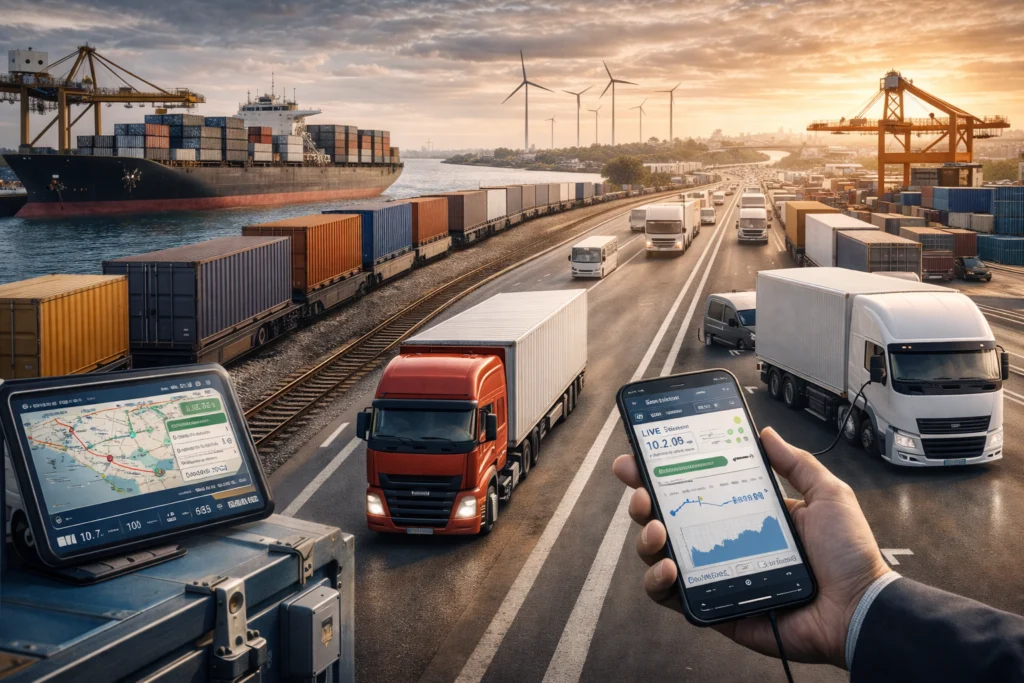
Selecting the optimal transportation mode requires balancing multiple factors including cost, transit time, cargo characteristics, reliability requirements, and environmental considerations. Ocean freight represents the most economical option for large-volume shipments and non-urgent cargo, with costs typically 5 to 10 times lower than air freight for equivalent weight, making it ideal for bulk commodities, heavy machinery, and consumer goods where transit time of 20 to 45 days is acceptable. Container transportation offers two primary options: Full Container Load (FCL) where a shipper uses an entire container (20-foot or 40-foot), providing cost efficiency and reduced handling risk, or Less than Container Load (LCL) where multiple shippers share container space, suitable for smaller volumes but involving additional consolidation and deconsolidation that extends transit time. Ocean freight’s main disadvantages include slower speed, vulnerability to port congestion and weather delays, and limited frequency on some trade lanes, though reliability has improved significantly with vessel schedule tracking technology and carrier performance monitoring.
AIRFREIGHT delivers the fastest transit times, typically 1 to 7 days for international shipments, making it essential for time-sensitive cargo such as perishable goods, high-value electronics, fashion items with short selling seasons, and urgent replacement parts. The speed advantage comes at substantial cost premium, with air freight rates typically 5 to 10 times higher than ocean freight, though for low-weight, high-value products the total landed cost may still favor air transport when considering inventory carrying costs and market responsiveness benefits. Air freight also offers superior reliability with minimal delays and frequent departures compared to ocean transport, plus lower theft risk due to airport security measures and reduced handling touchpoints. Dimensional weight pricing represents a critical consideration for air freight, as carriers charge based on whichever is greater between actual weight and volumetric weight calculated by multiplying length, width, and height in centimeters and dividing by 5,000 for international shipments. This pricing method penalizes lightweight but bulky cargo, making air freight particularly expensive for low-density products like furniture, textiles, or packaging materials.
Rail freight provides a middle ground between ocean and air transport, offering moderate costs and transit times that make it attractive for long-distance overland routes, particularly between Europe and Asia via networks like the China-Europe Railway Express. Rail costs typically run 30 to 50 percent higher than ocean freight but remain significantly cheaper than air transport, while transit times of 12 to 18 days between major Asian and European cities represent substantial time savings compared to 35 to 40 days for ocean shipping. Rail freight excels at transporting heavy bulk commodities including coal, grain, minerals, chemicals, and construction materials where weight advantages over road transport and route flexibility compared to fixed ocean lanes create value. Environmental benefits also favor rail, with carbon emissions per ton-kilometer substantially lower than air freight and competitive with ocean transport, appealing to companies with sustainability commitments. Road Freight serves primarily for regional distribution, last-mile delivery, and door-to-door service where flexibility and accessibility outweigh higher per-kilometer costs compared to rail or ocean alternatives. The key advantage of trucking lies in its ability to provide direct pickup and delivery without transloading, reducing handling damage risk and enabling just-in-time delivery strategies for time-sensitive supply chains.
Navigating Customs Clearance and Documentation Requirements
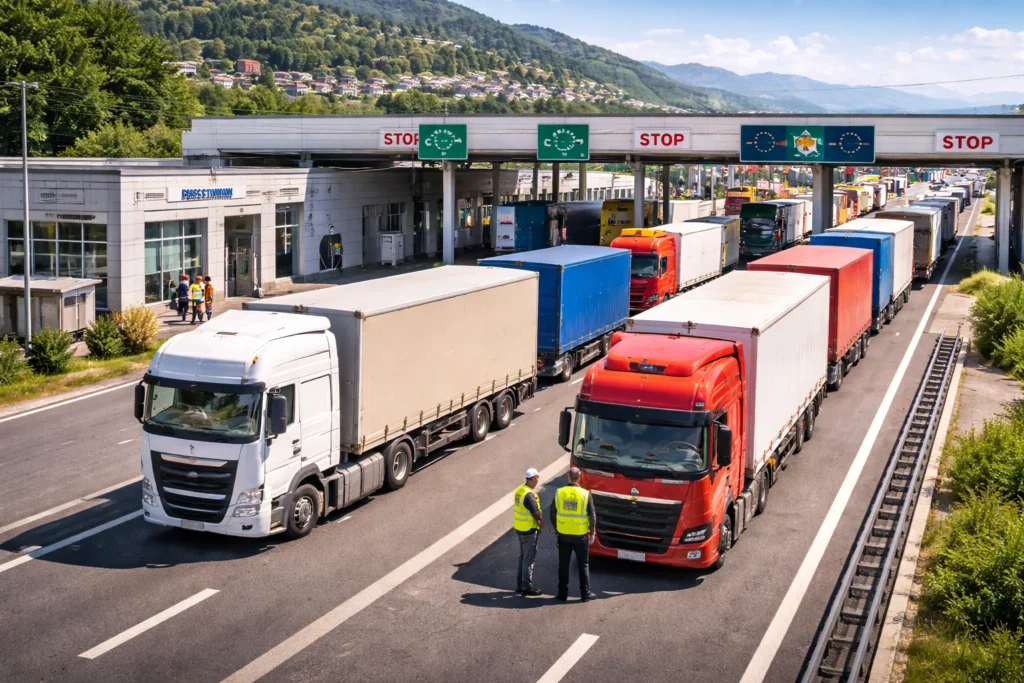
Customs clearance represents one of the most complex aspects of international freight, requiring accurate documentation, proper classification, and compliance with both export and import country regulations. The fundamental documents required for most international shipments include a commercial invoice detailing the transaction value and terms, packing list describing contents and packaging configuration, bill of lading or air waybill serving as the contract of carriage and proof of ownership, and certificate of origin establishing where goods were manufactured for tariff determination. Additional documentation may include import or export licenses for controlled goods, phytosanitary certificates for agricultural products, inspection certificates for regulated items, and insurance certificates when required by Incoterms or letter of credit terms. The commercial invoice must contain comprehensive information including seller and buyer details with complete addresses, accurate description of goods with harmonized system (HS) codes, quantity and unit of measurement, unit prices and total value, country of origin, and the applicable Incoterm defining cost and risk allocation.
Accurate HS code classification is critical because these internationally standardized codes determine applicable tariff rates, import restrictions, and statistical reporting requirements, with errors potentially resulting in customs delays, penalties, or seizure of goods. The customs clearance process typically follows a structured workflow beginning with electronic submission of customs declarations through national systems, followed by automated risk assessment that assigns shipments to different clearance channels: green channel for immediate release without inspection, yellow channel requiring document verification, or red channel mandating both document review and physical cargo examination. Payment of applicable duties and taxes must occur before release, with rates varying by product classification, country of origin (affecting preferential trade agreement eligibility), and customs valuation method. Import duties in most countries are calculated on CIF (Cost, Insurance, Freight) value, meaning the customs valuation includes not only the product cost but also international transportation and insurance expenses.
Working with experienced customs brokers or freight forwarders who possess specialized knowledge of classification rules, documentation requirements, and regulatory procedures can dramatically reduce clearance time and minimize error risk. These professionals maintain relationships with customs authorities, understand country-specific requirements that extend beyond standard documentation, and can navigate complex situations involving product inspections, duty drawback claims, or temporary import procedures. For companies regularly importing or exporting, investing in customs compliance training, maintaining organized documentation systems, and establishing standard operating procedures for international shipments creates operational efficiency and reduces the likelihood of costly delays or penalties. Many countries also offer authorized economic operator (AEO) programs that provide expedited clearance and reduced inspection rates for companies demonstrating strong customs compliance records and internal control systems.
Identifying and Managing Freight Cost Drivers
Understanding the factors that influence freight costs enables B2B companies to make strategic decisions that optimize transportation spending while maintaining service quality. Distance and routing represent the most fundamental cost drivers, with longer distances generally resulting in higher charges, though the relationship is not always linear because some long-haul routes benefit from economies of scale and competition that reduce per-kilometer costs. The specific routing also impacts expenses, as direct routes typically cost less than shipments requiring multiple transshipments through intermediate hubs where each transfer adds handling fees, extends transit time, and increases damage or loss risk. Remote or landlocked destinations with limited transportation infrastructure often command premium rates because carriers must dedicate resources to areas with lower freight density and limited opportunities for backhaul revenue.
Package weight and dimensions directly determine shipping costs through both actual weight charges and dimensional weight calculations, making packaging optimization a critical cost management strategy. Carriers use dimensional weight pricing to ensure shippers pay fairly for the cubic space packages occupy in vehicles and aircraft, preventing low-density cargo from displacing heavier, higher-revenue freight. The calculation multiplies package length, width, and height (using longest points on each side for irregular shapes), then divides by a carrier-specific dimensional factor: typically 139 for FedEx, 139 for UPS, and 5,000 for international air freight when measuring in centimeters. Carriers then charge based on whichever is greater, actual weight or dimensional weight, meaning lightweight but bulky products like pillows, lampshades, or foam packaging can generate disproportionately high shipping costs. Reducing dimensional weight through custom packaging, product redesign, or vacuum compression can yield substantial savings without requiring carrier negotiation or operational changes.
Fuel surcharges represent a significant variable cost component in freight pricing, typically calculated as a percentage of base rates and adjusted monthly or quarterly based on diesel or jet fuel price indices. These surcharges can add 15 to 35 percent to base transportation costs during periods of high fuel prices, making them a critical consideration in budgeting and carrier contract negotiations. Accessorial charges for services beyond standard pickup and delivery add further complexity to total freight costs, including fees for liftgate service at locations without loading docks, inside delivery beyond the threshold, residential delivery, limited access locations like construction sites or government facilities, detention time when drivers wait beyond free time allowances, and redelivery attempts after failed initial delivery. These charges can collectively add 20 to 40 percent to base freight rates, making it essential to understand trigger conditions and either negotiate favorable terms or adjust operational practices to minimize their occurrence.
Customs duties and taxes represent additional cost layers in international freight that vary dramatically by product category, origin country, and destination market regulations. Import duties are calculated based on HS code classification and customs valuation, with rates ranging from zero percent for duty-free items under trade agreements to over 100 percent for highly protected products. Value-added tax (VAT) or goods and services tax (GST) applies in most countries at rates typically between 5 and 25 percent of the landed value including freight and insurance. Understanding these cost components enables strategic decisions about sourcing locations, Incoterm selection, and customs valuation methods that can legally minimize duty exposure while maintaining compliance with tax regulations.
Working with Freight Forwarders and Third-Party Logistics Providers
Freight forwarders serve as intermediaries who coordinate international shipments on behalf of importers and exporters, leveraging their expertise, carrier relationships, and economies of scale to simplify complex logistics. These specialists arrange transportation across multiple modes, prepare and file customs documentation, negotiate freight rates with carriers, coordinate cargo insurance, manage warehousing and distribution, and provide tracking visibility throughout the supply chain. For B2B companies without extensive logistics departments or international shipping volume, freight forwarders provide access to preferential carrier rates through volume consolidation, where multiple shippers’ cargo combines into larger shipments that qualify for better pricing than individual companies could negotiate independently. Forwarders also offer valuable expertise in navigating country-specific import regulations, documentation requirements, and customs procedures that would be difficult and time-consuming for shippers to master independently across multiple markets.
When selecting a freight forwarder, B2B buyers should evaluate several critical factors including geographic coverage and network strength in relevant trade lanes, carrier relationships and negotiating leverage, technology platforms offering shipment visibility and documentation management, customs brokerage capabilities and regulatory expertise, financial stability and insurance coverage, and customer service responsiveness particularly for urgent problem resolution. Established forwarders maintain relationships with multiple carriers across ocean, air, rail, and road modes, providing routing flexibility and capacity access that proves valuable during peak seasons or market disruptions when direct carrier access becomes constrained. Many forwarders also offer value-added services including cargo consolidation and deconsolidation, warehousing and distribution, order fulfillment, product labeling and kitting, quality inspection, and supply chain consulting that can simplify operations for companies lacking these internal capabilities.
Third-party logistics providers (3PLs) offer broader supply chain management services beyond traditional freight forwarding, often including inventory management, order processing, returns handling, and technology integration with client systems. The distinction between freight forwarders and 3PLs has blurred as many traditional forwarders expanded service offerings while 3PLs added international freight capabilities, making it more important to evaluate specific service capabilities rather than company labels. For B2B companies scaling international operations, establishing strategic relationships with capable logistics partners who invest in understanding business requirements, provide proactive communication, demonstrate problem-solving capabilities, and align incentives through performance-based contracts creates sustainable competitive advantage. Regular performance reviews evaluating metrics such as on-time delivery rates, documentation accuracy, claims frequency, cost competitiveness, and communication quality ensure freight partners maintain service standards and identify opportunities for collaborative improvement.