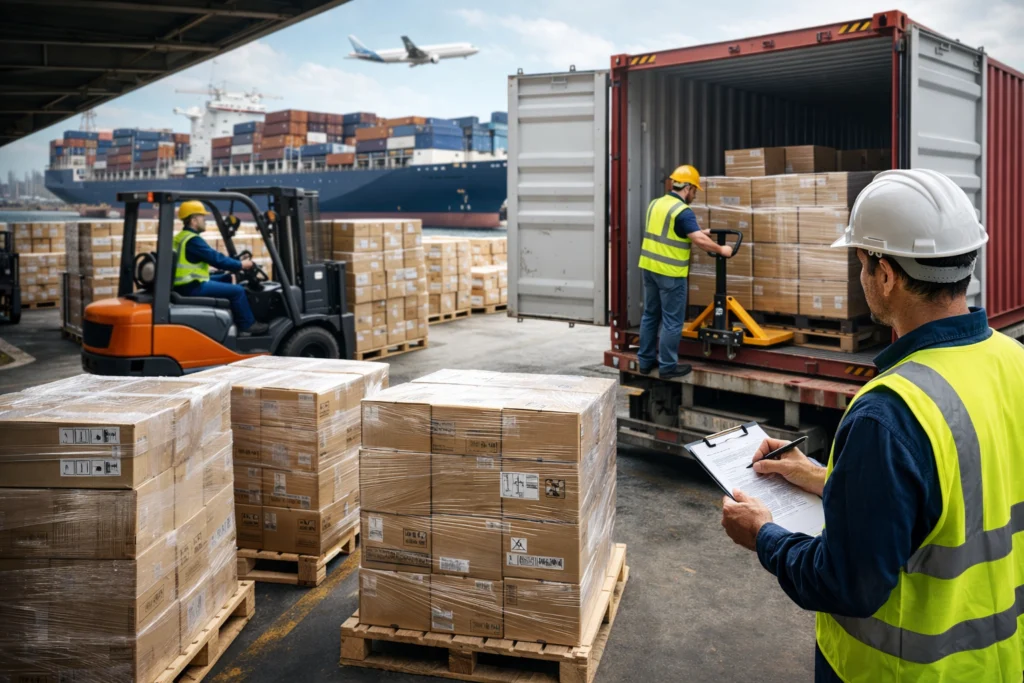
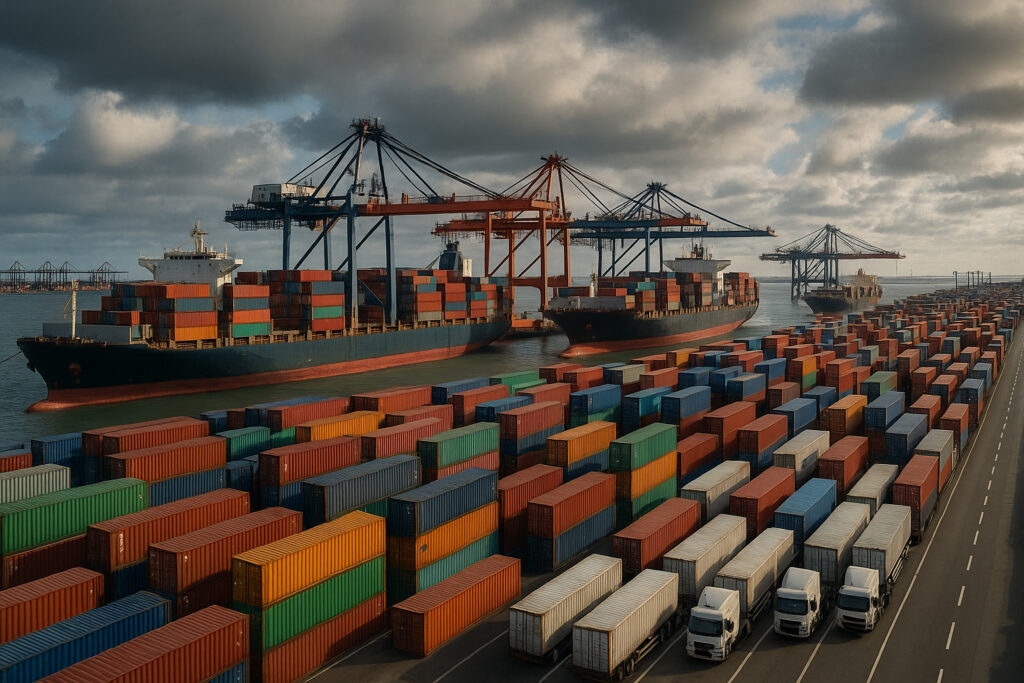
European road freight operations face unprecedented challenges in 2026 as the industry navigates complex regulatory changes, rising operational costs, environmental compliance requirements, and intensifying competitive pressures that demand continuous efficiency improvements. The implementation of carbon dioxide-based charging systems across all European Union member states means that emissions have become operational costs as tangible as fuel expenses, creating financial incentives for fleet modernization and operational optimization. The European Union Mobility Package has introduced comprehensive regulations governing driver working conditions, cabotage restrictions, posting requirements, and mandatory smart tachograph installations that fundamentally reshape how transport companies operate across international borders. Simultaneously, persistent challenges such as driver shortages, volatile fuel prices, infrastructure congestion, and empty running rates for Road Freight operations that average forty percent on return journeys continue eroding profit margins for carriers throughout the continent. Industry analysts predict that the coming years will not merely test market strength but rather operational maturity, with survival dependent on three critical pillars including digitization capabilities, cost management sophistication, and decarbonization progress.
Companies maintaining low digitization levels, operating aging fleets, or failing to reduce empty kilometers will struggle to remain competitive as tender requirements increasingly demand emissions reporting, route efficiency optimization, and compliance with evolving environmental standards. This comprehensive guide examines seven evidence-based strategies that European road freight operators can implement to enhance efficiency, reduce costs, ensure regulatory compliance, and position themselves for sustainable success in an increasingly demanding operational environment.
1. Implement Advanced Route Optimization Technology
Route optimization software represents one of the most impactful investments transport companies can make to improve operational efficiency and reduce unnecessary mileage across European freight networks. Unlike standard navigation systems that default to motorway routing, specialized freight optimization platforms supporting Streamlined Logistics evaluate comprehensive cost structures including individual vehicle fuel consumption rates, leasing expenses, driver wages, break requirements, country-specific toll charges, tunnel fees, and infrastructure restrictions such as weight limits, height clearances, and width regulations. These sophisticated algorithms calculate truly cost-optimized routes for each specific vehicle rather than applying generic routing logic, potentially reducing empty runs, unnecessary detours, and total mileage by up to eight percent while simultaneously decreasing carbon dioxide emissions and overall transport expenses.
Advanced platforms like PTV Route Optimiser and similar European solutions can optimize up to fifteen thousand orders simultaneously, enabling rapid planning for large fleet operations while incorporating complex constraints including customer availability windows, driver working time regulations, vehicle capacity limitations, and multi-drop sequencing requirements. The systems provide scenario simulation capabilities that allow logistics planners to test different routing strategies, assess performance implications, and evaluate trade-offs between distance minimization, time efficiency, and cost reduction before committing to operational plans. Integration capabilities with transportation management systems, warehouse management platforms, enterprise resource planning software, and telematics solutions ensure that route optimization functions as part of a comprehensive digital ecosystem rather than a standalone tool.
Modern platforms also incorporate machine learning algorithms that analyze historical performance data, traffic patterns, seasonal variations, and delivery success rates to continuously improve routing recommendations over time. Real-time dynamic adjustment capabilities enable routes to be modified during execution when unexpected circumstances such as traffic congestion, delivery delays, or new shipment opportunities arise, ensuring that optimization continues throughout the working day rather than being limited to initial planning stages. The comparison functionality between planned routes and actual driven paths provides valuable insights for identifying recurring inefficiencies, understanding deviation causes, and implementing corrective measures for future trips. For transport companies operating across multiple European countries with varying road infrastructure quality, toll structures, and regulatory requirements, route optimization technology provides essential capabilities for navigating this complexity while maintaining cost control and service reliability.
2. Reduce Empty Running Through Intelligent Backhaul Management
Empty running remains one of the most significant efficiency drains in European Road Freight, with statistics showing that trucks achieve an average eighty percent load factor on outbound journeys but this drops dramatically to just sixty percent on return trips, meaning that substantial capacity travels empty or severely underutilized across the continent. The financial impact of these empty kilometers is substantial, as vehicles consume fuel, incur wear and maintenance costs, generate toll charges, and tie up driver time without producing any revenue to offset these expenses. Progressive carriers are addressing this challenge through multi-trip routing capabilities that optimize both outbound deliveries and return journeys in a seamless integrated process, ensuring that vehicles departing from distribution centers already have committed backhaul loads arranged before completing their initial delivery runs.
Advanced freight matching platforms for Consolidated Cargo function as digital marketplaces connecting shippers with available carrier capacity in real-time, enabling transport companies to identify and secure backhaul opportunities that align with their planned return routes. These platforms utilize artificial intelligence and machine learning algorithms to analyze historical shipping patterns, predict demand along specific corridors, and proactively recommend backhaul matches that minimize deadhead mileage while maximizing revenue per kilometer traveled. Hyperlocal routing strategies focus on territory-based optimization, assigning drivers to specific geographic zones where they can efficiently complete multiple deliveries and pickups within concentrated areas rather than traveling long distances between dispersed locations. This territorial approach naturally reduces empty running by ensuring drivers remain engaged with revenue-generating activities throughout their shifts and minimizing the distance between final deliveries and subsequent pickup points.
Companies are increasingly integrating external fleet resources including gig carriers and third-party capacity into their networks to fill return shipments, providing flexibility to utilize freelance drivers for backhaul movements during off-peak periods or on routes where internal fleet utilization would be inefficient. The key to successful backhaul management lies in treating empty kilometers as a core fleet performance metric, analyzing patterns by route, vehicle type, tonnage categories, and driver behavior to identify systemic inefficiencies and implement targeted improvement initiatives. Carriers such as Romanian-based Altec Logistic have set organizational targets to reduce empty running below twenty percent through dedicated management focus, with telematics tools playing crucial roles in monitoring progress and identifying opportunities. For transport operators willing to invest in the planning systems, network partnerships, and operational processes required for effective backhaul management, the potential returns are substantial, with successful implementation often reducing overall fleet size requirements while maintaining or increasing total freight volumes moved.
3. Modernize Fleet Composition for Fuel Efficiency and Compliance
Fleet modernization has transitioned from a gradual improvement strategy into an urgent competitive necessity as European Union regulations impose carbon dioxide-based charging systems and environmental performance increasingly influences tender awards. Transport companies operating aging fleets face double penalties through higher direct fuel consumption compared to modern efficient vehicles and additional financial burdens from emissions-based fees that are becoming universal across member states starting in 2026. Progressive operators investing in fleet renewal are achieving measurable improvements, with examples including Slovak carrier Schnellecke Transport reporting reductions in fuel consumption from twenty-seven liters per hundred kilometers to twenty-three liters after transitioning to hydrotreated vegetable oil fuel, demonstrating that alternative fuels combined with modern engine technology deliver substantial efficiency gains. The European investment landscape increasingly favors electrification, with countries including Germany, the Netherlands, Bulgaria, and Denmark extending or expanding government subsidies for electric truck purchases and charging infrastructure development.
Charging infrastructure availability continues improving along major freight corridors, supported by European Union targets requiring high-power charging stations for trucks every sixty to one hundred kilometers on the Trans-European Transport Network, with these stations mandated to accept card and cashless payments and publish real-time availability information online. However, fleet modernization decisions require careful evaluation of operational patterns and infrastructure availability, as some carriers including Portugal’s Manuel & Miranda Transportes have encountered challenges with liquefied natural gas adoption due to limited refueling infrastructure on the Iberian Peninsula and elevated maintenance costs for gas-powered vehicles. The optimal modernization strategy varies by company based on typical route profiles, with urban delivery operations benefiting most from electric vehicle adoption, long-haul international routes potentially favoring hydrotreated vegetable oil or synthetic fuels that work with existing diesel infrastructure, and regional distribution finding advantages in compressed natural gas where refueling networks exist.
Beyond environmental considerations, modern vehicles deliver operational benefits including improved driver comfort and safety through advanced cabin design and assistance systems, enhanced reliability reducing breakdown incidents and schedule disruptions, and better telematics integration providing detailed performance data for fleet management optimization. Transport companies facing significant fleet renewal investments should develop systematic replacement plans that prioritize vehicles with highest fuel consumption, focus on routes where environmental charging will be most expensive, and align purchases with available government incentives and manufacturer financing programs. The industry reality is stark, with carriers maintaining outdated fleets facing escalating disadvantages that will intensify as emissions pricing expands and customers increasingly require verifiable sustainability credentials from their logistics providers.
4. Leverage Smart Tachograph Technology for Compliance and Optimization
The European Union Mobility Package mandates comprehensive adoption of second-generation smart tachographs across international freight operations, creating both compliance obligations and optimization opportunities for transport operators. Smart tachographs represent advanced digital recording devices that automatically capture driver working time, rest periods, vehicle movements, and location data with significantly enhanced capabilities compared to previous generation equipment. The defining feature of second-generation devices is automatic registration of European Union border crossings using satellite positioning, eliminating manual recording requirements and providing enforcement authorities with verifiable location data for cabotage compliance monitoring and posted worker regulation verification.
These tachographs feature extended memory capacity storing substantially more detailed activity records, enabling remote data access via wireless transmission that allows enforcement officers to conduct preliminary compliance checks without requiring vehicle stops. The devices incorporate Bluetooth connectivity enabling integration with external telematics systems and fleet management platforms, creating opportunities for real-time monitoring of driver performance, proactive compliance management, and optimization of working time utilization. From a regulatory perspective, all vehicles exceeding two point five tonnes maximum permissible mass including trailers and used for international freight or cabotage operations must comply with tachograph requirements and associated driving time regulations starting from July 2026, extending coverage to light commercial vehicles previously exempt from these rules. The compliance obligations include strict adherence to driver working time limits, mandatory break intervals, daily and weekly rest period requirements, and proper recording of all activities across drivers’ working shifts. Non-compliance risks have increased substantially, with enhanced enforcement capabilities enabling authorities to identify violations systematically and impose penalties that can reach significant amounts for repeat offenders.
However, companies viewing smart tachographs purely as compliance burdens miss substantial optimization opportunities these systems enable. The detailed activity data captured by modern tachographs provides unprecedented insights into driver efficiency, route execution, idle time, and working pattern optimization. Progressive transport operators analyze tachograph data to identify drivers consistently achieving superior fuel efficiency, understand which routes create working time challenges requiring adjustment, and optimize scheduling to maximize productive hours while ensuring full regulatory compliance. Integration between smart tachograph systems and route planning software enables planners to incorporate mandatory break periods, rest requirements, and border crossing procedures into routing algorithms, creating realistic schedules that drivers can execute without violations . The satellite positioning capabilities also support stolen vehicle recovery, provide location verification for customer inquiries, and enable detailed journey reconstruction for investigating incidents or disputes. Transport companies should invest in comprehensive training programs ensuring drivers understand tachograph operation, compliance requirements, and the importance of accurate recording, while office staff receive instruction on data analysis, infringement management, and optimization opportunities.
| Efficiency Strategy | Typical Cost Reduction | Implementation Complexity | Payback Period |
|---|---|---|---|
| Route Optimization Software | Up to 8% mileage reduction | Medium (requires system integration) | 6-12 months |
| Backhaul Management | 20-40% reduction in empty running | Medium (requires network partnerships) | 3-6 months |
| Driver Fuel Efficiency Training | 1-6% long-term fuel savings | Low (training programs available) | Immediate |
| Fleet Modernization | 15-20% fuel consumption reduction | High (significant capital investment) | 3-5 years |
| Telematics Implementation | 5-15% operational cost reduction | Low to Medium (technology installation) | 12-18 months |
5. Invest in Professional Driver Training Programs
Driver behavior represents one of the most controllable variables affecting fuel consumption, vehicle wear, safety performance, and overall operational efficiency in road freight operations. Comprehensive driver training programs focusing on fuel-efficient driving techniques deliver measurable and sustained cost reductions that provide excellent return on training investments. European initiatives such as the FuelGood driver training program document average fuel consumption reductions of fifteen percent on the day of training, with sustained long-term savings of one to six percent translating to approximately thirty to one hundred seventy euros saved per driver over extended periods. Similarly, the EcoEffect driver training programme reports even more impressive results, with participants reducing carbon dioxide emissions and fuel consumption by up to twenty percent immediately following training and maintaining seven to ten percent improvements over the long term.
These training programs teach drivers fundamental efficient driving principles including smooth acceleration and braking to minimize fuel waste, optimal gear selection and shift points to maintain engines in efficient operating ranges, appropriate speed management recognizing that fuel consumption increases exponentially above optimal velocities, and anticipatory driving techniques that enable drivers to predict traffic flow and adjust speed progressively rather than reacting with harsh inputs. Advanced training modules address vehicle-specific topics including proper trailer coupling and weight distribution, tire pressure monitoring and maintenance, auxiliary equipment usage such as refrigeration units or hydraulic systems, and aerodynamic considerations including closing curtain sides and minimizing unnecessary wind resistance. Beyond fuel efficiency, comprehensive driver training encompasses defensive driving techniques that reduce accident rates and associated costs, proper vehicle inspection procedures preventing breakdowns and enforcement violations, customer service skills improving delivery experiences and client relationships, and regulatory compliance covering working time rules, load securing requirements, and documentation obligations. The psychological aspects of driver retention deserve equal attention, as the chronic driver shortage affecting European road freight makes employee satisfaction and retention increasingly critical. Training programs that invest in driver development, provide clear career progression pathways, recognize superior performance, and treat drivers as valued professionals rather than interchangeable resources contribute to reduced turnover rates and associated recruitment and training costs.
Progressive transport companies implement continuous education approaches rather than one-time training events, utilizing telematics data to identify individual drivers requiring additional coaching in specific areas and providing targeted refresher sessions addressing observed deficiencies. Some organizations establish internal competition systems where driver performance metrics including fuel efficiency, safety records, on-time delivery rates, and customer feedback scores are tracked and recognized through incentive programs that reward superior performance. The combination of initial comprehensive training, ongoing performance monitoring through telematics, targeted coaching interventions, and recognition programs creates a culture of continuous improvement that delivers sustained efficiency gains extending well beyond the immediate post-training period.
6. Deploy Comprehensive Telematics and Fleet Management Systems
Telematics technology has evolved from optional monitoring equipment into essential infrastructure for competitive road freight operations, providing real-time visibility into fleet performance, driver behavior, vehicle health, and operational efficiency. Modern telematics systems integrate Global Positioning System tracking, on-board diagnostic connections, driver identification, and wireless data transmission to create comprehensive digital records of vehicle and driver activities throughout operating periods. The data streams captured by these systems enable transport managers to monitor fuel consumption patterns, idling duration, harsh braking or acceleration incidents, speeding violations, route adherence, and utilization rates across their entire fleet. Romanian carrier Altec Logistic exemplifies the benefits achievable through systematic telematics utilization, reporting reductions in vehicle downtime, lower fuel costs, and improved overall operational sustainability through continuous evaluation of driver performance based on telematics data.
The real-time visibility provided by telematics enables proactive problem management, with immediate alerts for unauthorized vehicle usage, route deviations, extended idling, maintenance requirements, or potential theft incidents. Fleet managers can monitor delivery progress throughout operating days, identify vehicles running behind schedule, and proactively communicate estimated arrival time updates to customers before complaints arise. Telematics data integration with route optimization software creates closed-loop systems where planned routes can be compared against actual execution, variances analyzed to understand causes, and learnings incorporated into future planning to eliminate recurring inefficiencies. Vehicle health monitoring capabilities provide early warning of developing mechanical issues through diagnostic code reporting, oil pressure trends, coolant temperature patterns, and battery condition tracking, enabling predictive maintenance scheduling that prevents roadside breakdowns and unplanned downtime. The detailed performance reporting enabled by telematics supports objective evaluation of fleet efficiency, with key performance indicators including average fuel consumption per hundred kilometers, percentage of time spent in efficient operating modes, average speed profiles, idle time ratio, and utilization rates becoming measurable and manageable.
Insurance companies increasingly offer premium discounts for fleets equipped with comprehensive telematics, recognizing that enhanced visibility, driver monitoring, and theft recovery capabilities reduce claim frequency and severity. Telematics systems also support compliance obligations through automated recording of border crossings, journey start and end locations, driving duration tracking, and rest period verification that complement smart tachograph data. For maximum value realization, transport companies must invest not only in hardware installation but also in training personnel to interpret telematics data effectively, establishing regular review processes where fleet performance is analyzed systematically, and creating accountability structures ensuring that insights derived from telematics translate into operational changes and continuous improvement initiatives.
7. Explore Intermodal and Multimodal Transport Opportunities
The strategic integration of rail transport into primarily road-based freight operations offers significant opportunities for cost reduction, emissions minimization, and delivery reliability improvement across European networks. Intermodal transport solutions that combine long-distance rail movements with road collection and delivery increasingly provide competitive alternatives to pure road haulage on longer routes, particularly as infrastructure investments expand terminal capacity and improve transfer efficiency. New intermodal facilities such as the Multimodal Terminal in Małaszewicze and expanded infrastructure including the Vienna Freight Centre are enhancing the viability of combined transport by reducing handling times, improving connection reliability, and extending geographic reach. For temperature-controlled cargo including food and pharmaceutical products, modern intermodal terminals now offer specialized handling capabilities that maintain cold-chain integrity throughout mode transitions, addressing historical concerns about product quality preservation during rail movements. The environmental advantages of modal shift are substantial, with rail transport generating approximately seventy-five percent fewer greenhouse gas emissions than equivalent road haulage over comparable distances, making intermodal solutions increasingly attractive as carbon-based charging systems penalize road-intensive transport.
Operational benefits include reduced driver requirement for long-distance movements, eliminating concerns about working time restrictions and cabotage limitations that complicate extended international road journeys. Rail capacity offers steadier transit times compared to road transport vulnerable to traffic congestion, weather delays, and infrastructure disruptions, particularly valuable for non-urgent freight where delivery reliability matters more than absolute speed. However, successful intermodal implementation requires careful route selection focusing on corridors with adequate rail connections, sufficient volumes to justify container handling costs, and delivery tolerances accommodating rail scheduling constraints. The Iberian Peninsula presents particular challenges due to limited rail connectivity with broader European networks, making road transport efficiency improvements especially critical for operators serving Spanish and Portuguese markets. Spain and Portugal have advocated for higher maximum vehicle weights up to forty-four tonnes to improve logistical efficiency and reduce the number of trips required for equivalent freight volumes, recognizing that geographic constraints limit their ability to leverage rail alternatives available to central European carriers.
For transport companies operating diversified route portfolios, a strategic approach involves conducting systematic analysis of each major lane to identify candidates where intermodal solutions offer competitive advantages, then developing hybrid network designs that utilize rail for trunk movements while maintaining road flexibility for collection and final delivery. This selective modal shift approach allows companies to capture efficiency benefits where intermodal economics are favorable while avoiding forced adoption on routes where rail infrastructure, terminal locations, or service frequencies make combined transport uncompetitive. The expanding charging infrastructure supporting electric trucks creates additional considerations, as certain routes may benefit from battery-electric road transport once adequate charging networks exist, while others remain better suited to intermodal combinations.
Implementing a Comprehensive Efficiency Strategy
Achieving meaningful improvements in European road freight efficiency requires integrated strategies that address multiple operational dimensions simultaneously rather than pursuing isolated initiatives. The most successful transport companies recognize that digitization, decarbonization, and cost optimization function as interconnected priorities demanding coordinated action rather than competing objectives. A practical implementation roadmap begins with honest assessment of current operational maturity, identifying which of the seven efficiency strategies outlined above represent the most significant improvement opportunities based on existing performance gaps and competitive positioning.
Companies operating without route optimization software, maintaining limited telematics deployment, or lacking structured driver training programs should prioritize these foundational investments that deliver relatively quick returns and establish digital infrastructure enabling further optimization. Organizations already possessing basic digital capabilities can advance toward more sophisticated initiatives including predictive maintenance systems, artificial intelligence-enhanced routing, and comprehensive backhaul management networks requiring higher implementation complexity but offering substantial long-term advantages. Fleet renewal decisions demand careful financial planning given the significant capital requirements involved, but delaying modernization increasingly risks competitive disadvantage as emissions-based charging intensifies and customer sustainability requirements strengthen. Transport executives should establish clear efficiency metrics aligned with business objectives, implement regular monitoring cadences reviewing progress against targets, and create organizational accountability ensuring that efficiency improvements receive sustained management attention rather than episodic focus.
The European road freight market is entering a period where operational maturity rather than pure market strength determines survival, with companies demonstrating advanced digitization capabilities, modern efficient fleets, and sophisticated empty kilometer management positioned to thrive while less developed competitors face mounting pressures threatening viability. The regulatory environment will continue evolving with additional environmental requirements, expanded enforcement capabilities through smart tachograph connectivity, and intensifying customer demands for transparency and sustainability. Transport operators who view these challenges as opportunities for competitive differentiation rather than burdensome obligations will develop efficiency-focused cultures that continuously identify and implement improvements maintaining their relevance in an increasingly demanding European freight landscape.